A farewell to Pure South – and a reckoning for Southgate


For more than two decades, Pure South Dining has been many things to many people. A destination for special occasions. A riverfront haven showcasing Tasmania’s finest produce. A training ground for young hospitality professionals. A restaurant that, simply put, made Melbourne proud.
Now, after 21 years on Southbank Promenade, Pure South has shut its doors – not with fanfare, but with resignation and regret. The announcement this month landed like a gut punch for locals and the broader hospitality community. And it shines an unforgiving light on the slow decline of what was once a jewel in Melbourne’s crown: the Southgate precinct.
“It’s neglect,” co-owner Phil Kennedy told Southbank News in a raw, generous interview. “It’s a great word. There’s just a lack of any care for it.”
Pure South’s departure is the most high-profile in a string of exits. Once, Southgate boasted six hatted restaurants side by side. Now, it has none. Even before Pure South turned out the lights, the space next door had been empty for at least five years. The tenancy opposite was boarded up. And as Mr Kennedy put it, management’s solution? To rip out escalators and convert space into a children’s play centre.
“That’s not what we signed up for,” he said. “And they don’t seem to even acknowledge it or communicate with us about any of those things.”
Yet while the anger is clear, there’s something sadder, too: disappointment. This is a restaurant that helped define Melbourne’s food scene at its best. Mr Kennedy’s recollections tell a story of commitment, integrity and care.
In 21 years, Pure South had just five executive chefs – a rare stability in the industry. Dave Hall led the kitchen for the past nine years, ensuring consistent quality. Their farm-to-fork ethos wasn’t marketing spin but the real deal, forged over decades of direct relationships with Tasmanian farmers and fishers.
“Our suppliers – our farmers and fishermen who’d never dealt with restaurants before – we’ve dealt with them directly for 20 years,” Mr Kennedy said. “We’re really proud of all those things. We’ve made some great friends.”
Pure South wasn’t just a restaurant. It was a little economy of its own, supporting small producers, training young staff who went on to manage other premium venues, giving Melbourne an authentic connection to the best produce of the Bass Strait.

Even as he closes, Mr Kennedy refuses to sour the memory.
“People are great,” he said. “How we were treated by customers, our staff, our suppliers … everyone who we dealt with over that COVID crisis period – people were great.”
This sense of gratitude is disarming. But it doesn’t paper over the truth: Pure South’s closure is a symptom of Southgate’s failure.
The precinct, built as a gleaming riverside gateway in the early ‘90s, was once the centrepiece of Southbank’s transformation. Over time, though, it has fallen into disrepair.
Broken escalators. Failing air-conditioning. Plumbing problems. When Southbank News visited last month, two of the centre’s toilets were out of service.
Mr Kennedy said the inability of Southgate’s managers ESR Australia to fix the centre’s faulty air-conditioning, which had consistently blown hot air over his patrons during the warmer months, together with the removal of the escalator, was enough for him to hand in the keys.
Put simply, he said that he and fellow Pure South owner Peter Leary could no longer justify paying $1 million a year in rent when Southgate was falling apart, and those responsible for maintaining it “just don’t care”.
Southgate’s owners, Peninsula Investment Partners and Singapore-based Suntec Real Estate Investment Trust (Suntec REIT), have held state government approval for a $470 million redevelopment since 2021. Yet the only confirmed works are a $4.5 million lobby upgrade. Everything else is vague promises, consultants’ reports and “talks of renovations”.
Meanwhile, Southbank’s public spaces outside Southgate suffer the same neglect. The adjoining Southbank Promenade – a critical public realm connecting the city and the river – has seen only stop-start investment. The City of Melbourne has pledged planning funds for its upgrade, but actual progress has been glacial.
Mr Kennedy remembers his own kids mowing a patch of grass on the promenade the venue used as a pop-up bar – and that after they stopped, it took more than a year before anyone from the council bothered to tend to it.
Phil Kennedy’s frustration is familiar to many Southbankers. The entire precinct feels trapped in limbo. Uncertainty around Southgate’s future, plus the drawn-out demolition of the neighbouring ESSO House, has paralysed meaningful renewal.

That frustration is shared by the Yarra River Business Association, which has repeatedly warned that Southbank risks another decade of decline unless its biggest projects – like Southgate and the Beulah STH BNK development – start moving.
And while Southgate’s operators may talk of big plans, which many now believe are no longer achievable, the reality on the ground is far more dismal. Rows of vacant shops. Boarded-up premises. Hatted restaurants gone, replaced with vague “coming soon” signs and duct tape over directory boards.
Mr Kennedy’s description is damning: “it’s rotting.”
Since Pure South’s announcement, the wider media has finally taken notice. The Age ran a stark feature describing Southgate’s slide from “gateway to ghost town”. ABC Radio’s Raf Epstein also aired a segment on the centre’s decline.
It shouldn’t have taken the loss of one of Melbourne’s best restaurants to spark this conversation. But maybe that’s what it needed.
Because this is bigger than just one restaurant. Southbank is a major tourism asset. Its promenade is Melbourne’s calling card to the world. To let it crumble is to squander the city’s potential – and its promise to locals.
The owners of Southgate must do better. The City of Melbourne must advocate harder. The state government must recognise its role in ensuring these critical spaces work for everyone, not just offshore investors.
Mr Kennedy isn’t naïve about the commercial pressures. “I don’t know what their big-picture goals are for their significant investment,” he said. “But it’s rotting. They’re sitting on their hands and the local team seem completely disinterested.”
Yet even as he walks away, he holds onto what made it special: the people. The staff who grew careers there. The customers who celebrated milestones. The suppliers who became friends.
For him, there’s still hope that “in the right location” Pure South will one day return to Melbourne’s dining scene.
There’s also plenty of pride. And there should be. Pure South’s legacy is a testament to what Southbank can be at its best – and a stark reminder of how badly it’s been let down.
In response to a request for a statement from Southbank News regarding Pure South’s departure after 21 years and issues raised regarding Southgate’s maintenance, a spokesperson for ESR Australia & New Zealand said that it worked “as directed by the owners for all redevelopments and upgrades” and pointed to a recent $1.5 million investment to “enhance Southgate’s amenities and facilities”.
“ESR remains committed to supporting Southgate retailers and making it a welcome and vibrant hub for retailers and customers. There are currently 13 operators in the food court, an increase of 40 per cent since 2023,” the spokesperson said.
“Southgate continues to attract not only retailers but customers, with a 10 per cent increase in food court traffic and a five per cent increase in annual foot traffic since June 2024.”
“ESR’s team spearheaded the Sunday Markets move to Southgate, allowing stallholders to continue trading at a time when closure seemed inevitable. Now, along the Southgate promenade, the market offers them exposure to over 40,000 visitors each Sunday, further increasing Southgate foot traffic.” •
Related Articles
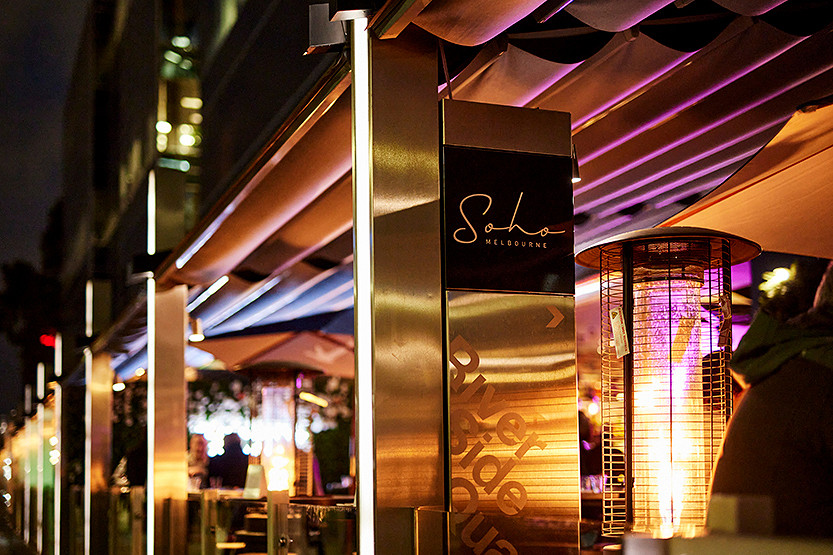
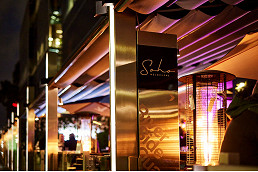
Soho reopens after arson attack with focus on future
Long-standing Southbank venue Soho Restaurant and Bar has reopened its doors, marking a welcome return for one of Riverside Quay’s established dining and nightlife destinations after a difficult two-month closure.
Read More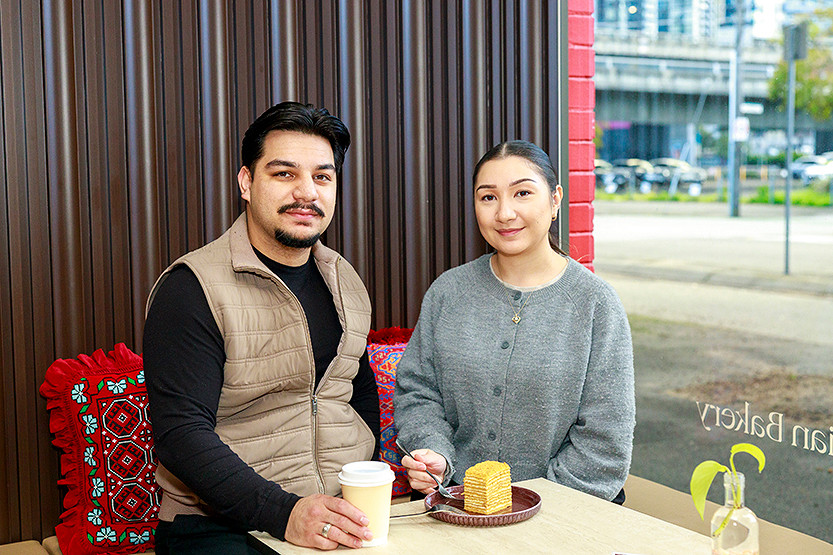
Food from home: Southbank’s hidden Armenian bakery
Admiration for his wife’s family’s lovingly prepared food inspired Nawid Fayazi to suggest they start what they believe is Australia’s first Armenian bakery, tucked away on Moray St in Southbank.
Read More
Southbank agency brings home AI insights from elite Ray White study tour
Southbank real estate agency Ray White Southbank is bringing fresh international insights home after joining an exclusive United States study tour focused on the future of artificial intelligence in property.
Read More
Strata reforms criticised as “tinkering around the edges”
Soho reopens after arson attack with focus on future
 Download the Latest Edition