Buxton Contemporary to spotlight key chapter in Chinese contemporary art
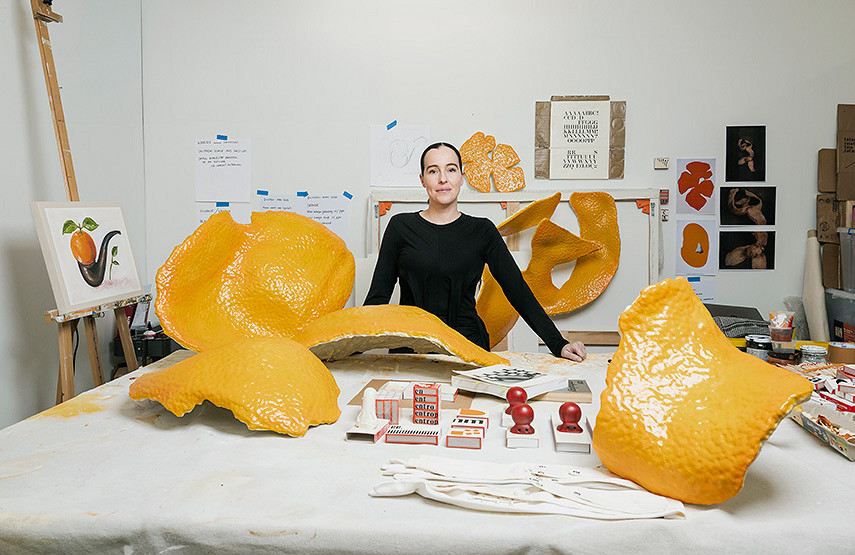
Melbourne’s Buxton Contemporary will host a major new exhibition this autumn focusing on a pivotal but often overlooked moment in the history of Chinese contemporary art.
Running from May 1 to October 3, Poetry goes no further than language: A historical moment of art becoming art again examines the emergence of conceptual art in China during the mid to late 1980s and early 1990s, a period when artists began to question not just what art should look like, but what art could be.
Presented by The University of Melbourne, the exhibition brings together reconstructed historical works, archival material and a new commission by Melbourne-based artist Darcey Bella Arnold. It will also be the first bilingual exhibition, in English and Chinese, ever presented at Buxton Contemporary.
The exhibition is curated by Carol Yinghua Lu, director of Beijing’s Inside-Out Art Museum, and artist Liu Ding, who have spent years researching the development of modern and contemporary Chinese art.
At the centre of the show is the complete body of work by the New Measurement Group, a Beijing-based artist collective active between 1989 and 1995. Known for their highly systematic, rules-based approach, the group used measurement, analysis and standardisation to create work that deliberately stripped away personal expression and individual authorship.
Also featured is a selection of works by Shanghai conceptual artist Qian Weikang. Though his artistic career was brief, it was distinctive. He explored calculation, chance and the effects of external forces such as gravity and time. Qian stopped making art in 1997 and withdrew from the art world entirely, meaning his work has remained rarely seen and little known outside specialist circles.
Rather than relying on visual spectacle alone, the exhibition turns attention to a moment when Chinese artists were increasingly drawn to ideas, systems and language as artistic materials.
The title references a 1985 statement by poet Han Dong: “Poetry goes no further than language.” The phrase reflects a broader shift among artists at the time. As new intellectual currents moved through China in the 1980s, many artists began to move away from traditional ideas of artistic value such as technique, expression and narrative, and instead turned to more conceptual ways of thinking.
For Melbourne audiences, the exhibition offers a rare chance to encounter works and ideas that have often remained inaccessible, lost or under-discussed outside China.
Curator Carol Yinghua Lu said the exhibition invited viewers to look more closely at the intellectual foundations of Chinese contemporary art, rather than only its global image.
“This exhibition offers a rare opportunity to encounter works that were previously inaccessible, lost or little known outside specialist circles,” she said. “Without access to this deeper history, we risk a superficial encounter with Chinese contemporary art.”
Appearing throughout the exhibition is a newly commissioned body of work by Melbourne artist Darcey Bella Arnold, whose practice explores language, translation and miscommunication across painting and sculpture.
Drawing on the exhibition’s historical ideas, as well as her mother’s notebooks and AI translation software, Arnold’s new work turns mistranslation into a poetic and visual device, creating a contemporary dialogue between language, memory and interpretation.
Buxton Contemporary director Charlotte Day said the exhibition reflected the institution’s commitment to research-led programming while drawing on the creative and intellectual community connected to the University of Melbourne.
Poetry goes no further than language runs from May 1 to October 3, 2026, Tuesday to Saturday, 11am to 5pm, at Buxton Contemporary on the University of Melbourne’s Southbank campus. Entry is free. •
Related Articles
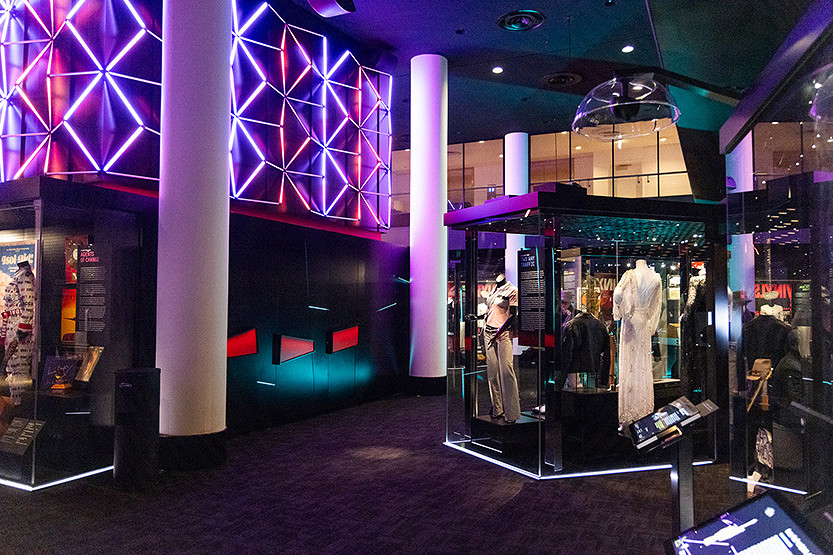
New immersive bar to open inside Australian Music Vault
A new bar will open inside the Australian Music Vault at Arts Centre Melbourne this October, offering visitors the chance to enjoy a drink surrounded by memorabilia and stories from Australia’s music history.
Read More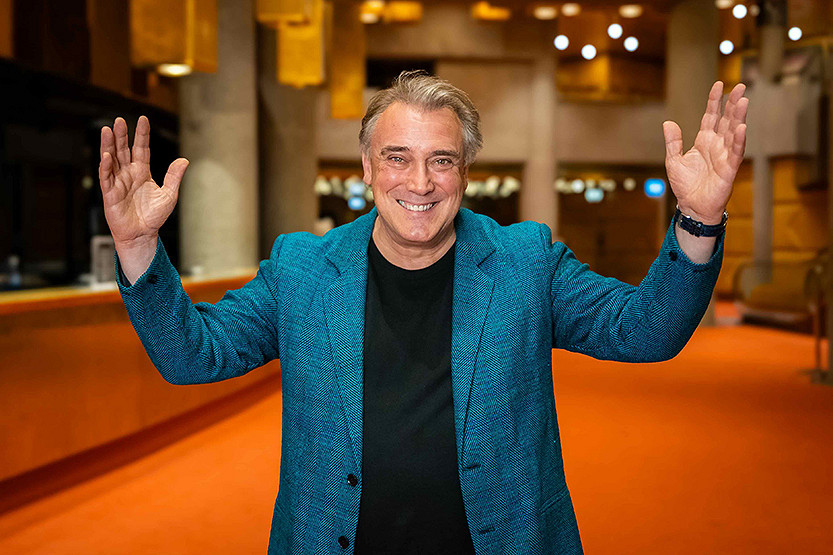
MSO unveils ambitious 2027 season celebrating Australian talent and musical landmarks
The Melbourne Symphony Orchestra will enter its 121st year with a wide-ranging 2027 season featuring major symphonic works, 13 world premieres of Australian commissions and a program marking 200 years since the death of Beethoven.
Read More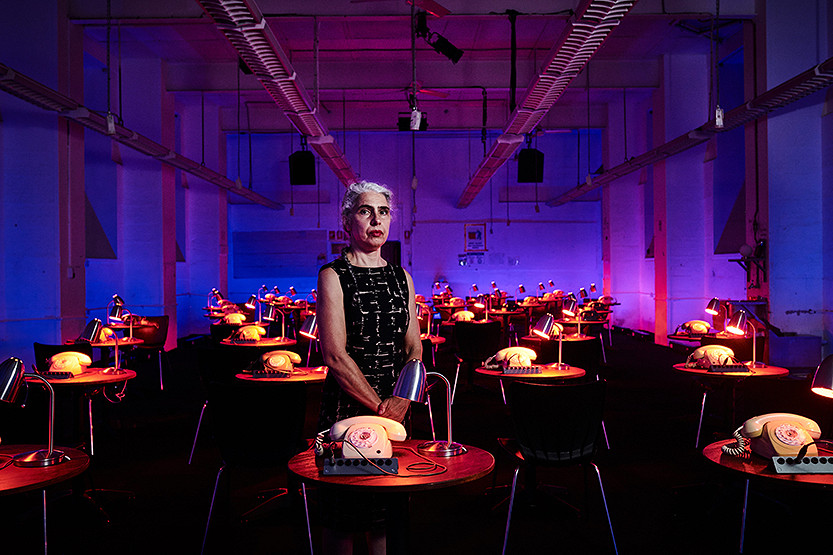
Melbourne’s late-night voices come to life at Malthouse
The anonymous voices of Melbourne’s night owls will take centre stage at Malthouse Theatre this August in an immersive audio work exploring the city during its quietest hours.
Read More
Sale of Hanover House signals likely end for Beulah’s STH BNK vision

Farewell Southbank News: more than a newspaper
 Download the Latest Edition