Draft greening plans target Southbank and Fishermans Bend growth areas
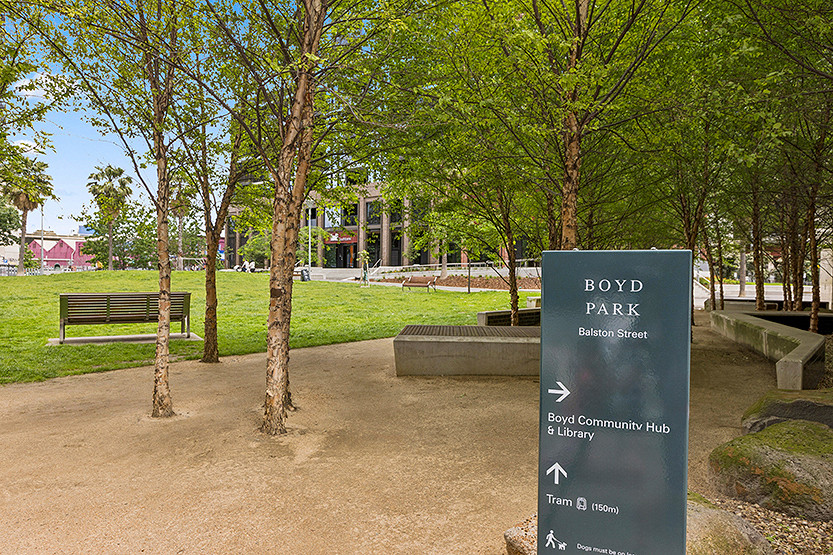
Southbank and Fishermans Bend would be targeted for more shade, biodiversity and climate-resilient tree planting under draft urban forest plans considered by the City of Melbourne on July 7.
The draft Southbank and Fishermans Bend Urban Forest Precinct Plans are part of a broader renewal of the council’s 10 neighbourhood-based urban forest plans, which guide street tree planting over 10 years.
The plans sit under the City of Melbourne’s Urban Forest Strategy, which aims to increase canopy cover across the municipality to 40 per cent by 2040.
The draft plans will proceed to community engagement via Participate Melbourne between July and August, before returning to the council in final form in 2027.
Southbank and Fishermans Bend are among the municipality’s lowest-canopy precincts, placing them at the centre of the city’s efforts to cool streets and make dense urban areas more liveable.
Southbank has 16.8 per cent canopy cover, with 1397 trees planted since 2012 and nine major streetscape projects completed.
The draft plan says Southbank has high social vulnerability and heat risk, as well as one of the lowest canopy covers in the municipality.
Its urban forest reflects the suburb’s history of industrial use, redevelopment and high-rise growth, with a mix of large vehicle-oriented roads, smaller streets between towers and more recent green spaces.
The plan says Southbank has no single urban forest character to protect, creating an opportunity for experimentation and innovation in urban greening.
Community feedback calls for Southbank to become a “green, walkable village” with biodiversity, shade, rooftop gardens, shaded streets and more places for rest, play and connection.
Residents identified major arterial roads such as City Rd and heavily urbanised areas as places needing more shade, while also supporting understorey planting for aesthetics and biodiversity.
The draft plan says future planting should improve greening on both public and private land, particularly in recently developed areas.
Fishermans Bend presents a very different challenge. It currently has just 9.8 per cent canopy cover, one of the lowest rates in the municipality, despite 1646 trees being planted since 2012 and eight major streetscape projects completed.
The area is part of Australia’s largest urban renewal project, covering about 480 hectares across the Cities of Melbourne and Port Phillip.
Within the City of Melbourne section, Fishermans Bend had only 20 residents at the 2021 census. But by 2050, the broader renewal area is expected to accommodate about 80,000 residents and support up to 80,000 jobs.
Because of that, the draft plan says urban forest planning in Fishermans Bend is different from other neighbourhoods, with the City of Melbourne’s role focused on supporting tree planting through a long-term transformation led by the Victorian Government’s Fishermans Bend Taskforce.
Community consultation has also been different. While Southbank and Parkville plans were informed by extensive engagement between 2023 and 2026, Fishermans Bend’s low current population means its draft plan draws on existing Fishermans Bend Taskforce engagement and the council’s ongoing Participate Melbourne survey.
Only eight survey responses had been received for Fishermans Bend.
The council report says the three draft plans for Southbank, Parkville and Fishermans Bend have been informed by tree data, environmental risks, heat, biodiversity, land use, community preferences and Traditional Owner perspectives.
Across all three precincts, the plans aim to prioritise streets with low canopy cover, improve species diversity to reduce pest and disease risks, and better reflect community values.
The estimated cost to deliver the three plans over 10 years is $3.11 million, with funding to be considered through future council budgets. •
Related Articles
Gardens medicine hits the spot
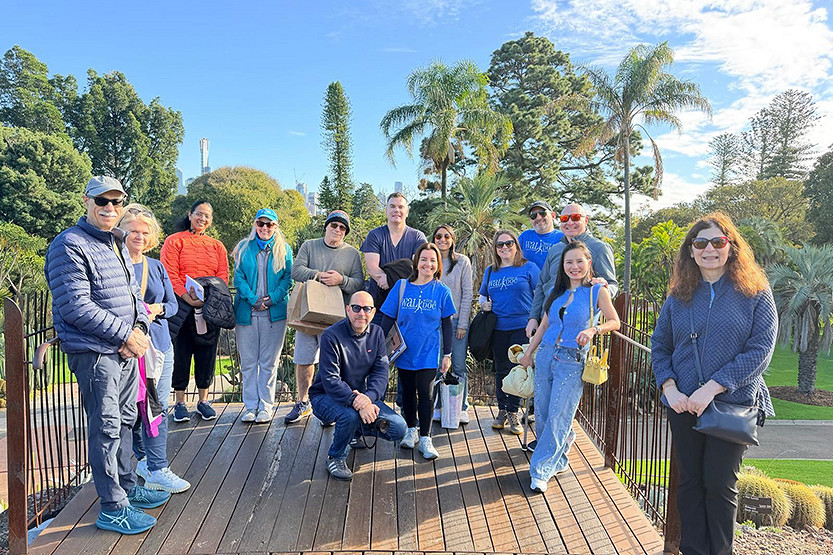
A monthly “Walk with a Doc” in the Royal Botanical Gardens with Southbank’s Dr Edna Correal Granados has been building in popularity and racking up benefits for participants over the 11 months it has been running.
Read More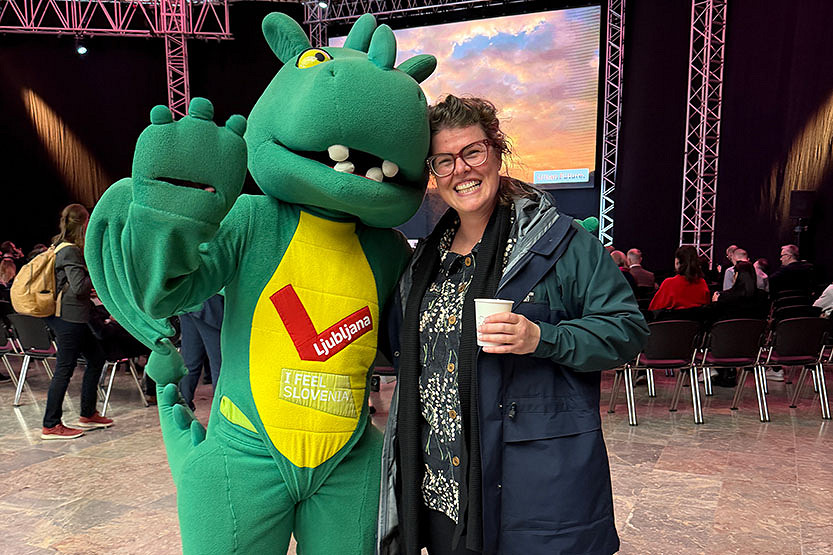
Heartscapes pollinator corridor: sharing the care in Slovenia
An ambitious local urban gardening project has been recognised as a world-leading initiative, with its South Melbourne-based founder recently invited to give a keynote speech at the opening of an Urban Futures conference in Europe.
Read More
How Jac Semmler is reimagining the future of Melbourne’s gardens
In the middle of the city, beside concrete, traffic and a car park, a different vision for Melbourne is quietly taking root.
Read More
Sale of Hanover House signals likely end for Beulah’s STH BNK vision

Farewell Southbank News: more than a newspaper
 Download the Latest Edition