Debate reignites over central city uplift scheme and affordable housing
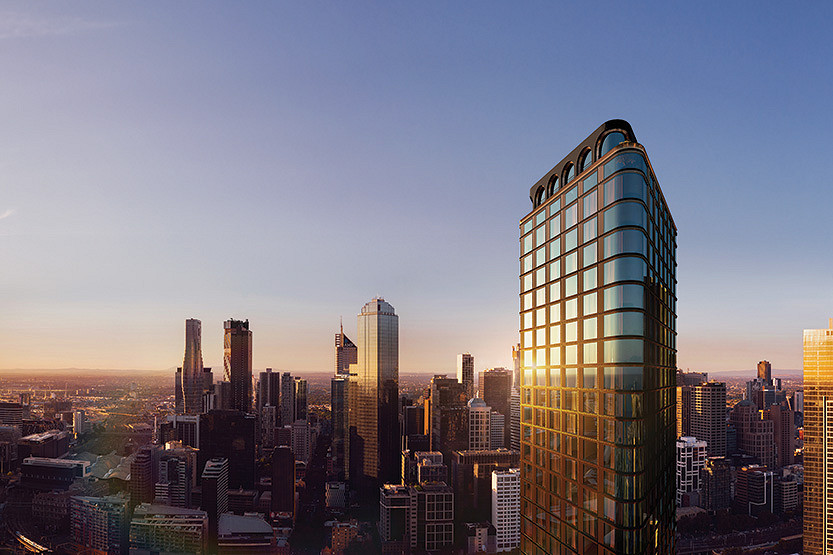

The state government’s central city floor area uplift (FAU) scheme is once again under scrutiny after new analysis revealed it has not delivered a single affordable housing unit in Melbourne’s CBD or Southbank since its inception in 2016.
According to the Community Housing Industry Association Victoria (CHIA Vic), developers have secured approval for nearly 31,000 new homes in the central city over the past nine years under the “public benefit uplift” mechanism. Yet none have been set aside as affordable housing.
Instead, developers have overwhelmingly opted to provide commercial office space as the nominated “public benefit” in return for building at higher densities. CHIA Vic chief executive Sarah Toohey said the outcome showed that voluntary approaches simply do not work.
“The voluntary developer contribution scheme for the Melbourne CBD and Southbank has not delivered a single affordable home since it was introduced nearly a decade ago,” Ms Toohey said. “We can’t leave the delivery of social housing up to a voluntary scheme that we know from experience won’t work.”
The scheme’s performance has drawn renewed attention with the Suburban Rail Loop East planning documents proposing a similar voluntary framework around station precincts. CHIA Vic has urged the Victorian Government to follow Sydney’s lead, where mandatory affordable housing contribution schemes have already delivered more than 1500 homes, with nearly 2000 more expected by 2036.
But the Property Council of Australia has hit back, arguing that calls for mandatory inclusionary zoning are misguided and could do more harm than good. Victorian executive director Cath Evans said imposing mandatory contributions on developers would undermine the very feasibility of projects.
“Mandatory Inclusionary Zoning is counter-productive and harms housing affordability,” Ms Evans said. “Forcing developers to deliver affordable housing either results in abandoned projects or higher prices for new market dwellings – both driven by feasibility impacts.”
There is a better way to improve housing affordability – unlock settings that enhance development viability and boost industry confidence to invest and build in Victoria.
The Property Council maintains that boosting supply overall – by making development conditions more attractive and predictable – is the most effective way to improve affordability. Ms Evans said industry confidence was critical to delivering the volume of housing needed across the state, including in central Melbourne.
The debate highlights the ongoing tension between housing advocates who want enforceable requirements and the development sector that warns against measures it sees as punitive. For residents of the CBD and Southbank, the stalemate has so far meant that while new apartments continue to rise, none have been designated as affordable under the FAU regime.
With the government preparing to roll out new frameworks for precinct development, the question of how to balance feasibility with social need remains unresolved.
Related Articles
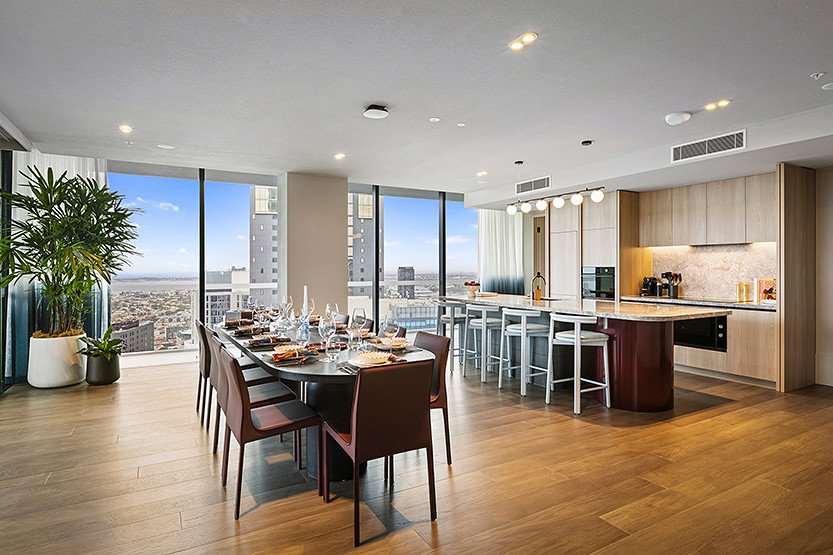
A new build-to-rent community opens in Southbank, including affordable homes for eligible renters
As renting in Melbourne becomes increasingly competitive, Indi Southbank offers a fresh, resident-centred way to rent – combining long-term rental security, thoughtfully-designed apartments, resort-style amenity and an experience built entirely around residents from day one.
Read More
Giving young people the chance to thrive: Lighthouse Foundation’s approach to ending youth homelessness
For many of us, the festive season means warmth, celebration, and the comfort of being surrounded by people we love. But for too many young people across Victoria, this time of year highlights something very different: instability, fear, and the harsh reality of not knowing where they will sleep at night.
Read More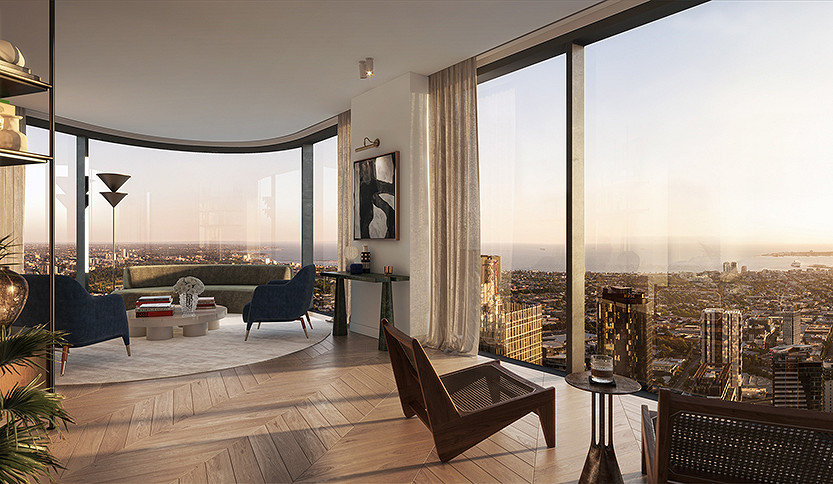
Stage one of The Queensbridge Building complete
Developer Time & Place, in partnership with MaxCap Group and Hickory, has announced the completion of stage one of The Queens-bridge Building – a milestone that marks the emergence of Southbank’s newest cultural and lifestyle precinct.
Read More
New primary school campus tipped for vacant Ferrars St site
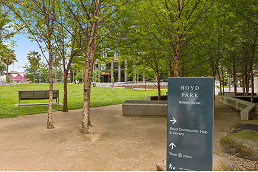
Draft greening plans target Southbank and Fishermans Bend growth areas
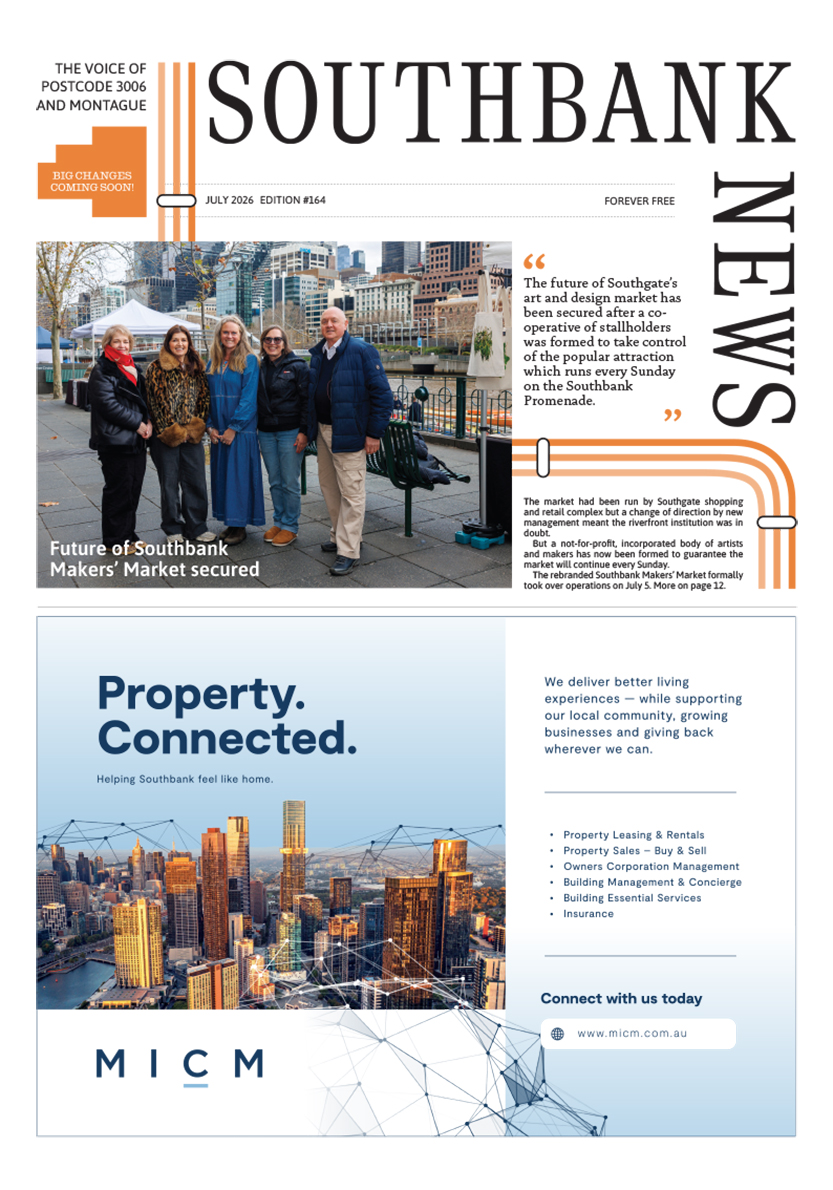 Download the Latest Edition