How Canberra is responding to the fuel shock
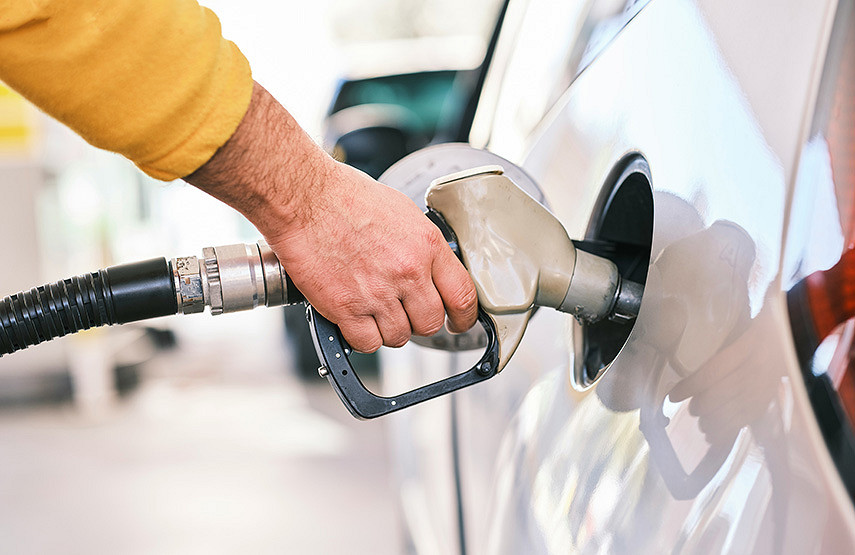

Right across our country, the war in the Middle East is having a significant economic impact, including here in Southbank.
While public transport remains the mode of choice for many in our community, those who drive are feeling the pinch of higher fuel prices.
While we may not be able to control this war, we can control how Australia responds. I wanted to give you an update on what our government has done so far, and what more help is on the way.
First and foremost, we have taken steps to secure Australia’s fuel supply. We’ve released 20 per cent of Australia’s petrol and diesel reserves, and temporarily relaxed fuel standards so Australian refineries can supply more fuel directly into the domestic market.
We’ve also secured a fuel supply agreement with Singapore, leveraging our status as a reliable energy partner to guarantee ongoing fuel imports. Thanks to these efforts, our emergency fuel reserves are roughly as large as they were when the war started.
We’ve also taken immediate action to prevent fuel price gouging. We’ve passed new laws to double penalties for petrol companies which lie about the reason for price increases, collude on prices or engage in other cartel behaviour. We’ve also tasked the ACCC with ramping up fuel price monitoring and issuing on-the-spot fines.
Most importantly, we are doing everything we can to ease the cost burden on Australian households.
We’ve halved the fuel excise for three months, saving Australians 26c per litre on petrol and diesel. We’ve cut the Heavy Vehicle Road User Charge to help truckies keep moving.
And we’ve introduced legislation to underwrite the purchase of fuel by the private sector.
The Victorian Government is also stepping up to help take the pressure off consumers by making public transport free for the month of April, which is particularly good news for the Southbank community, and enforcing mandatory fuel price reporting laws to ensure Victorians aren’t paying any more for fuel than they should be.
In a national crisis, Australians rightly expect all levels of government to work together in the national interest. On Monday, National Cabinet agreed to a new National Security Plan which does exactly that.
The plan will help coordinate a consistent response across all states and territories throughout this crisis, including emergency demand-side measures to prioritise fuel for critical services and keep the economy moving.
Southbankers are right to be concerned about the ongoing conflict in the Middle East. As the Prime Minister has made clear, we expect the United States to clarify its objectives, to recognise the economic and humanitarian consequences of this conflict, and to de-escalate.
But Southbankers can also rest assured that this government has been working around the clock since the war started to soften the impact on Australian households, and we’ll continue to do exactly that for as long as the war
continues. •
Related Articles

Celebrating our voice of Southbank
It’s a great privilege to contribute to the final edition of the Southbank News.
Read More
Politics is a team game – so is being a parent
Last week was the first time since 2019 that I missed a Parliamentary sitting week in Canberra. I’ll admit I did tune into Question Time, embarrassing as that may be.
Read More
A record-breaking sitting fortnight in Parliament
I have just returned from a big sitting fortnight in Parliament House (a record breaking-one).
Read More
Sale of Hanover House signals likely end for Beulah’s STH BNK vision

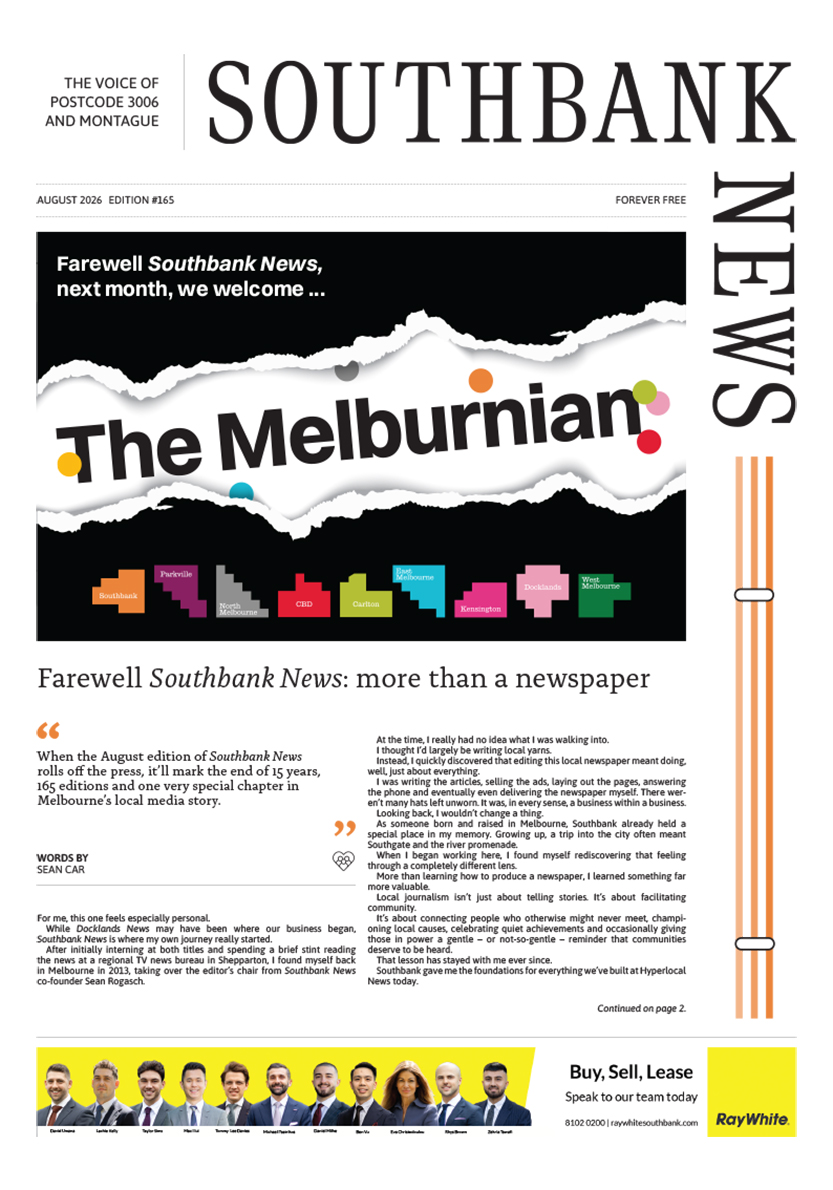
Farewell Southbank News: more than a newspaper
 Download the Latest Edition