How Jac Semmler is reimagining the future of Melbourne’s gardens
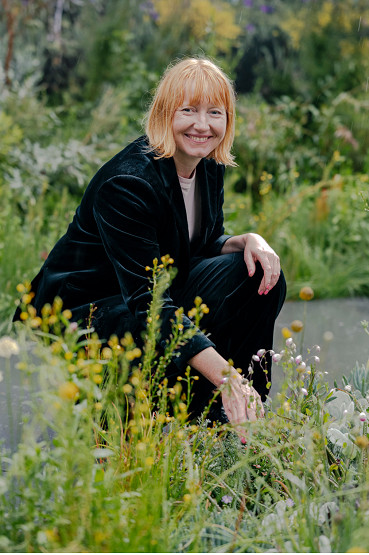

In the middle of the city, beside concrete, traffic and
a car park, a different vision for Melbourne is quietly taking root.
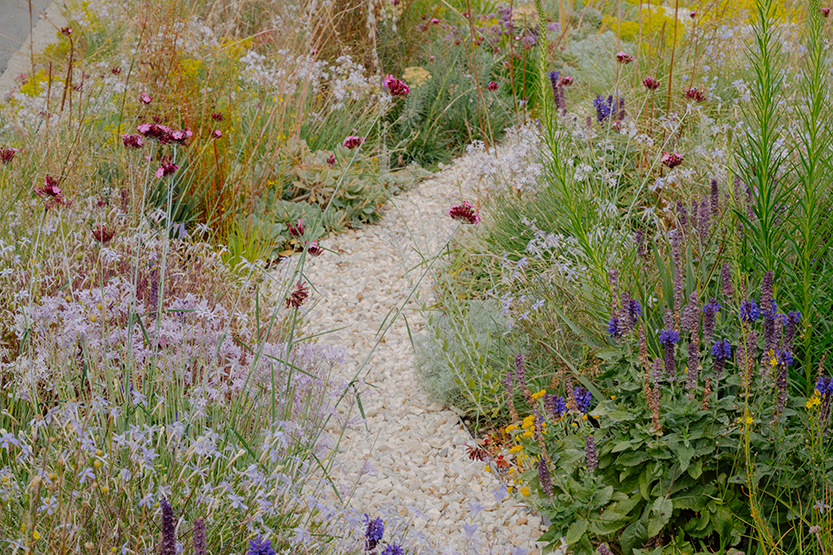
At Fed Square’s Test Garden, dense planting, shifting seasonal textures and swarms of insect life are offering a glimpse of what urban gardens in Melbourne could become. It is not just a display bed or a landscape experiment. It is, in many ways, a living prototype for the future of Laak Boorndap, the expansive new urban garden being created as part of the $1.7 billion Melbourne Arts Precinct Transformation.
On Saturday, March 14, celebrated garden designer Jac Semmler of Super Bloom will join author Jaclyn Crupi for a free public conversation at Fed Square, unpacking the philosophy behind this emerging style of planting and what it could mean for the city’s future.
For Semmler, the work is about far more than decoration. It is about designing urban landscapes that feel alive, resilient and deeply connected to place.
“Naturalism emulates nature in planting and landscape design,” she told Southbank News. “It is a purposeful, nature-like experience within the planting. It spans large-scale immersive experience, and the detailed moments of wonder one can have when deeply engaged with a natural happening – a blue-banded bee alighting on a flower.”
That approach, often associated internationally with the “new perennial movement”, is being rethought here through what Semmler describes as a distinctly local lens: “new Australian naturalism”.
“Often, naturalism … has been reflected in Australian gardens and landscapes with cues and plants from the Northern Hemisphere, where there is a deep winter dormancy,” she said. “New Australian naturalism seeks a natural-like experience from public planting in contrast to our built cities, which embraces the dry summer climate of Melbourne or responds to the place and people, especially in high expectations of ever-changing wonder.”
That idea of “ever-changing wonder” sits at the heart of Laak Boorndap, the 18,000-square-metre urban garden planned for the renewed Melbourne Arts Precinct. The project will sit alongside The Fox: NGV Contemporary and the transformation of the wider Southbank cultural district, reconnecting the precinct to Birrarung while creating new places for gathering, rest and reflection.
Semmler’s studio Super Bloom is part of the design team led by Hassell, working alongside renowned horticulturalists James Hitchmough and Nigel Dunnett. For her, a project of this scale presents a rare opportunity to push the role of planting much further in public life.
“These major realm projects are unique opportunities for our cities to grapple with what is possible when planting is primary,” she said. “Through collaboration with researchers, the University of Melbourne and an in-situ Test Garden, lessons of glorious planting will reach far beyond Laak Boorndap for use in Australian cities and beyond.”
There is also, she says, a strong public appetite for this shift.
Ambition is key. There is a palpable hunger for nature in cities and to cultivate this vision into fruition, where planting can be central within a creative precinct.
That ambition is being matched by practicality. Climate resilience is now central to all major landscape design, especially in Melbourne, where extreme heat, dry summers and increasingly unpredictable weather patterns are changing the rules for public planting.
Semmler says the answer lies in deep research and collaboration.
“Extensive time researching and exploring natural populations of species, continual practice, enduring relationships with landscapes and gardens and a multi-disciplinary approach,” she said. “Collaboration between disciplines and expertise will continue to garner the best understanding of plant performance in an unpredictable, changing climate.”
Her work often sits at the intersection of horticulture, art and design, making a project like Laak Boorndap especially fitting.
“That planting can elevate and be equivalent outside to the creative levels and performance within the walls of preeminent arts institutions,” she said. “It considers a high expectation of planting through time, but a unique dynamic for an ever-changing garden.”
The conversation at Fed Square also comes just as Semmler releases her new book, Flower Power, which explores how gardeners can compose more expressive, plant-driven landscapes of their own.
“Readers often ask how they can make a garden from heroic plants,” she said. “How to compose – yes, design, but also practically cultivate this wonder.”
The book, she says, is about helping people understand not just flowers as decorative objects, but gardens as dynamic compositions shaped by form, colour, movement and time. For those visiting the Test Garden or attending the talk, Semmler hopes the takeaway is both simple and hopeful.
“Delight in the wonder that can happen in a city, neighbouring a car park,” she said. “Gardens can be plant-driven, dynamic and joyful places that shift with the seasons as plants move through space and time.”
And for anyone intimidated by the idea of creating beauty with plants themselves, she offers a reassuring final thought: “There is no such thing as a black thumb.”
The free conversation with Jac Semmler and Jaclyn Crupi takes place on March 14 at Fed Square as part of the Test Garden Open Day. Following the talk, artist Beci Orpin will lead a free workshop creating paper flowers inspired by the garden. •
Related Articles
Draft greening plans target Southbank and Fishermans Bend growth areas
Southbank and Fishermans Bend would be targeted for more shade, biodiversity and climate-resilient tree planting under draft urban forest plans considered by the City of Melbourne on July 7.
Read More
Gardens medicine hits the spot
A monthly “Walk with a Doc” in the Royal Botanical Gardens with Southbank’s Dr Edna Correal Granados has been building in popularity and racking up benefits for participants over the 11 months it has been running.
Read More
Heartscapes pollinator corridor: sharing the care in Slovenia
An ambitious local urban gardening project has been recognised as a world-leading initiative, with its South Melbourne-based founder recently invited to give a keynote speech at the opening of an Urban Futures conference in Europe.
Read More
Sale of Hanover House signals likely end for Beulah’s STH BNK vision

Farewell Southbank News: more than a newspaper
 Download the Latest Edition