NGV reimagines the everyday in new design exhibition
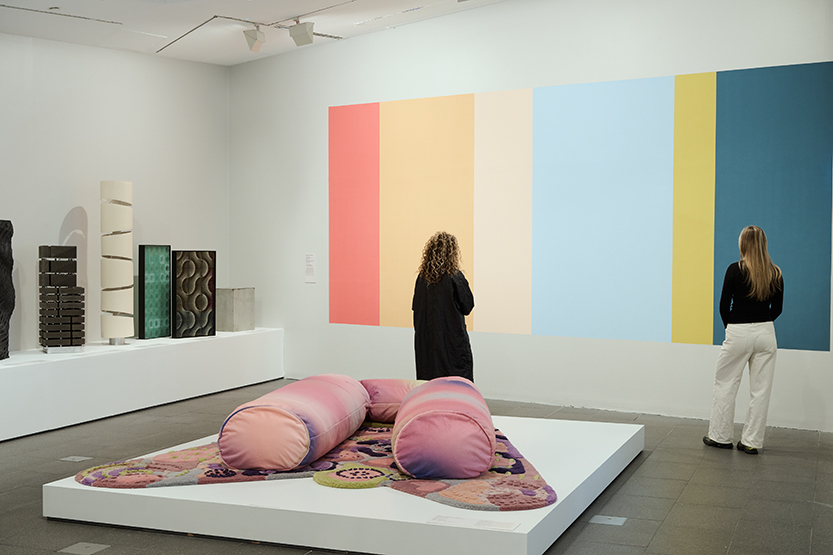
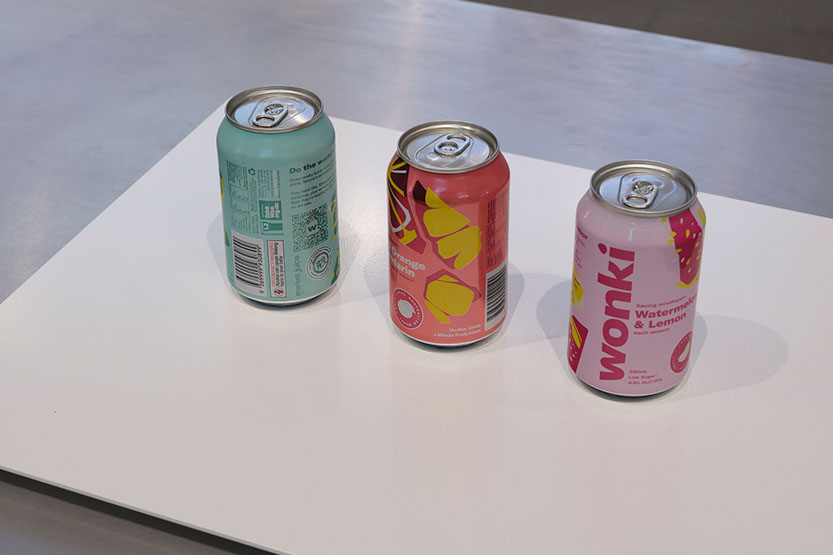
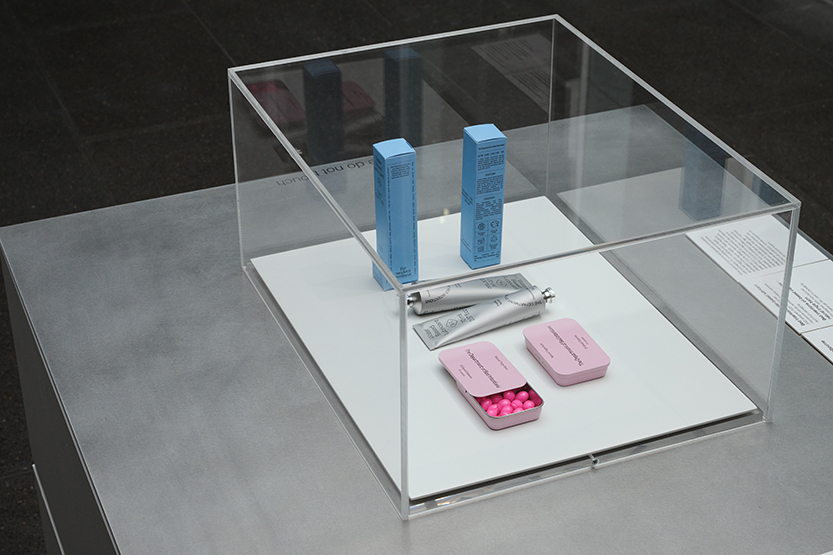

From edible coffee cups and seaweed straws to leather made from mushrooms and seafood waste, the National Gallery of Victoria’s latest exhibition is shining a spotlight on how design can transform daily life for the better.
Now open at The Ian Potter Centre: NGV Australia, Making Good: Redesigning the Everyday brings together more than 50 Australian and international designers who are rethinking the products and systems we use every day. The exhibition, which runs until February 1, 2026, with free entry, explores how design can improve human health and wellbeing while also addressing urgent environmental challenges.
Visitors will encounter a striking mix of innovations across industries. In building and construction, Canberra glass artist Matthew Curtis has created architectural blocks from recycled TV screens and waste float-glass, while Sydney studio Besley & Spresser turns discarded oyster shells into terrazzo-like surfaces. Singaporean paint brand Gush has developed a formula that purifies the air, and Melbourne’s Other Matter offers a recyclable signage film designed to replace single-use vinyl.
Healthcare and wellbeing are also central themes. Highlights include Hoopsy’s plastic-free pregnancy tests, Modi Bodi’s First Period Kit, and Melbourne label Bed Intentions, which has created a microbiome-safe water-based lubricant enriched with prebiotics. In global health, OOXii Global’s Vision Kit offers an affordable, portable solution to eye testing and eyewear in low-access regions, while the Light Phone III provides a minimalist alternative to modern smartphones.
The exhibition also responds to consumer concerns around fast fashion. UK-based Petit Pli has engineered children’s clothing that grows with its wearer, reducing textile waste. New York designer Allina Liu presents garments crafted from TômTex, a mushroom – and seafood waste – derived leather substitute, while Kiki Grammatopoulos’ running shoes scatter seeds with every step, supporting urban rewilding.
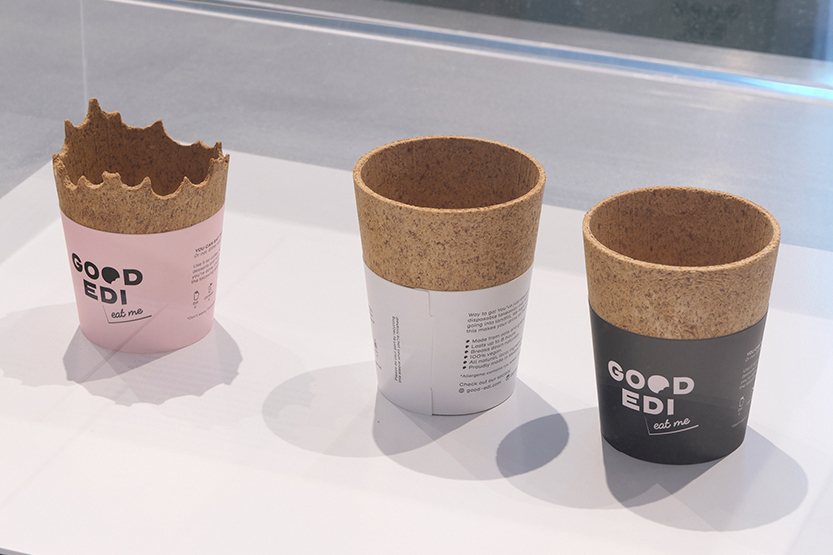
Food innovation adds another dimension. Melbourne-based Good-Edi produces edible coffee cups from locally sourced grains, while US company Loliware offers biodegradable seaweed straws and Great Wrap presents compostable cling film made from food waste.
NGV director Tony Ellwood AM said the exhibition captured a critical moment for contemporary design.
“The innovations presented in Making Good reflect a pivotal moment in how designers are conceptualising their work, going beyond function to consider the social and environmental impact of products,” he said.
RMIT’s Deputy Vice-Chancellor design and social context Professor Tim Marshall added: “Making Good showcases forward-thinking design that will inspire creativity, spark conversations and most importantly, drive change towards a more regenerative future.”
By reimagining the most ordinary objects – from clothing to coffee cups – Making Good offers a glimpse into how design can create healthier, more sustainable ways of living. For Melbourne audiences, it’s both a provocation and an invitation: to see the everyday differently, and to imagine a future designed for good.
Related Articles
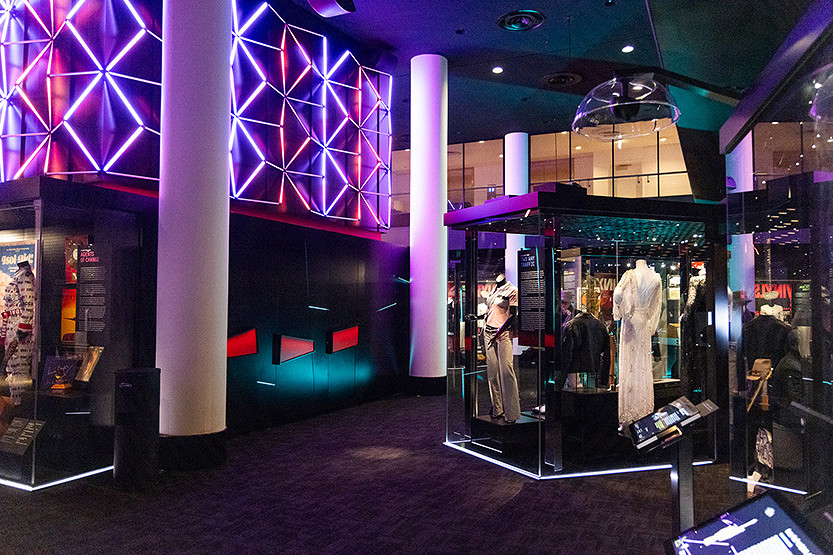
New immersive bar to open inside Australian Music Vault
A new bar will open inside the Australian Music Vault at Arts Centre Melbourne this October, offering visitors the chance to enjoy a drink surrounded by memorabilia and stories from Australia’s music history.
Read More
MSO unveils ambitious 2027 season celebrating Australian talent and musical landmarks
The Melbourne Symphony Orchestra will enter its 121st year with a wide-ranging 2027 season featuring major symphonic works, 13 world premieres of Australian commissions and a program marking 200 years since the death of Beethoven.
Read More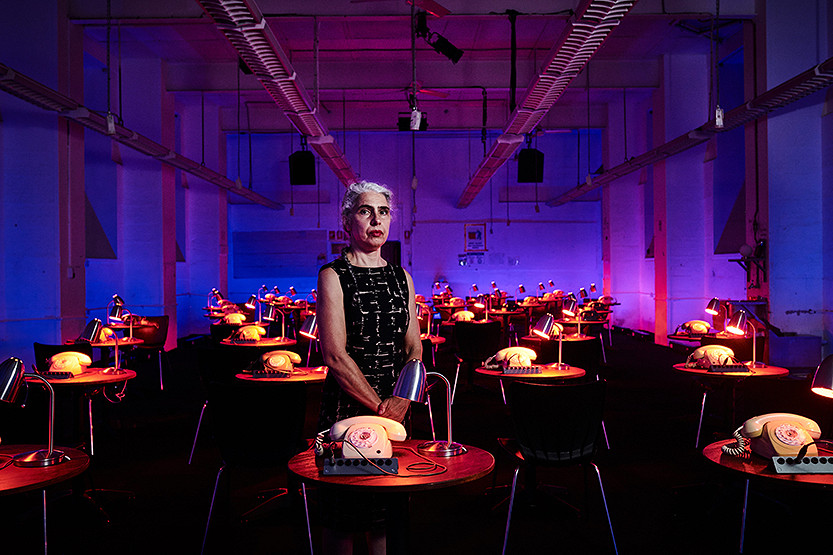
Melbourne’s late-night voices come to life at Malthouse
The anonymous voices of Melbourne’s night owls will take centre stage at Malthouse Theatre this August in an immersive audio work exploring the city during its quietest hours.
Read More
Sale of Hanover House signals likely end for Beulah’s STH BNK vision

Farewell Southbank News: more than a newspaper
 Download the Latest Edition