Questions linger over Fishermans Bend data centre approval
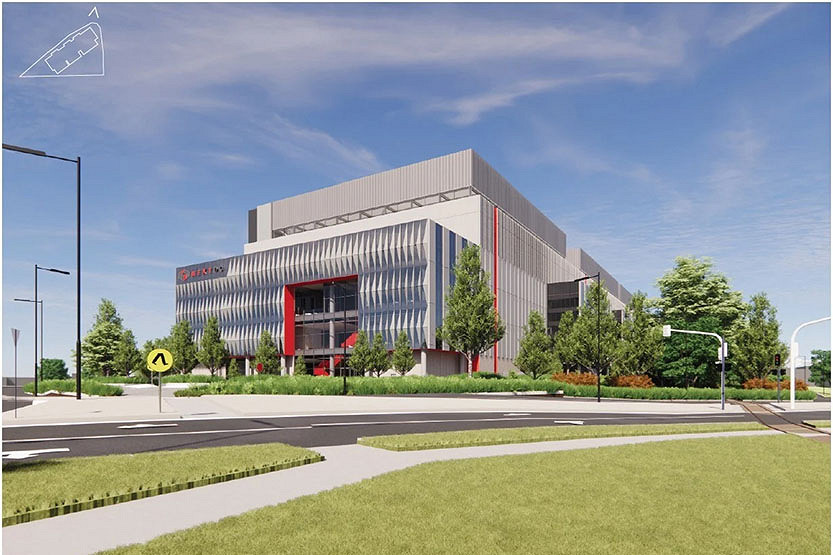

The state government’s recent approval of a major new data centre at Fishermans Bend has sharpened local debate about how rapidly expanding AI infrastructure is being assessed, and whether existing planning processes are equipped to deal with its long-term environmental and land-use implications.
In late January, the Minister for Planning approved NEXTDC’s proposed digital campus at 127 Todd Rd, Port Melbourne, under the state’s Development Facilitation Program. The project, within the Fishermans Bend Innovation Precinct, will deliver a large-scale data centre comprising data halls, substations, water tanks and associated infrastructure on a former industrial site.
The approval followed months of public promotion by the state government. In June 2025, Premier Jacinta Allan and several ministers appeared alongside NEXTDC chief executive Craig Scroggie to announce what was described as a $2 billion “next-generation digital campus”, positioning the project as a flagship investment under Victoria’s new industry policy and as evidence of Fishermans Bend’s success as an innovation precinct.
That announcement pre-dated the formal lodgement of the planning application in October 2025, with the ministerial decision issued in January this year.
Premier Jacinta Allan said following the approval on January 16:
We’re open for business and we’re backing Victorians every step of the way. This major investment means more jobs and training for the next generation of tech workers.
While governments routinely signal support for major investments, the sequencing has raised questions about how planning decisions are made once projects are publicly championed at the highest political levels. Under the Development Facilitation Program, the minister becomes the responsible authority, with councils providing advice rather than making any determinations.
To date, the only document released publicly is the Department of Transport and Planning’s delegate assessment report. The planning permit itself, including its conditions, has not been published on the planning portal.
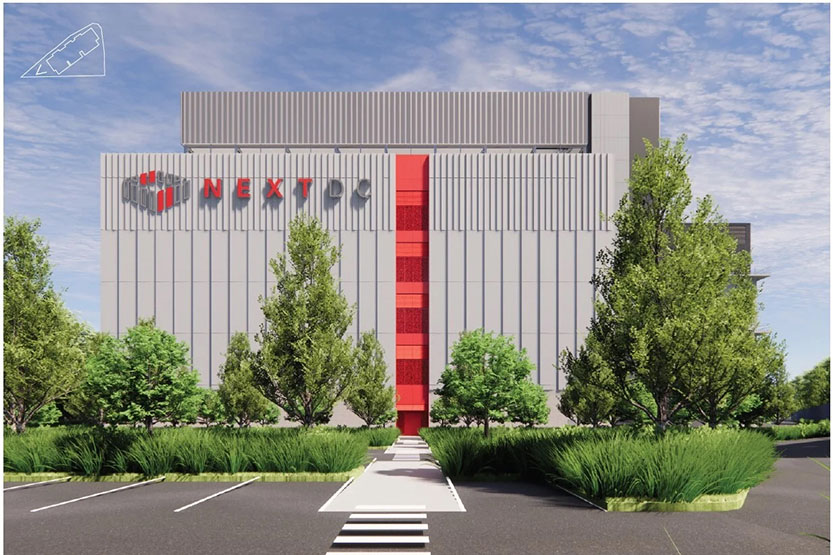
Southbank News specifically requested a copy of the permit and its conditions from the Minister for Planning’s office prior to publication. In response, the government provided a brief statement but did not release the permit or confirm when it would be made publicly available. This is unusual, as permit conditions are typically accessible once a decision has been made.
The delegate’s report outlines compliance with existing planning controls and confirms the project was exempt from public notice requirements. While the City of Melbourne was consulted, the content of its advice to the minister has not been released.
The absence of publicly available permit conditions has added to concerns about transparency in a policy area where clear sustainability benchmarks are still evolving. Data centres are highly energy- and water-intensive uses, yet Victoria currently lacks comprehensive planning standards to manage their cumulative impacts.
These issues were aired at the City of Melbourne’s February 3 Future Melbourne Committee meeting, where councillors unanimously supported a motion calling for new policy guidance on data centres and AI infrastructure.
Deputy Lord Mayor Roshena Campbell moved amendments explicitly referencing the Todd Rd approval, noting that the decision had been made “in the absence of any comprehensive sustainability or planning policy guidance for data centres”.
Cr Campbell also questioned whether central Melbourne was the right location for large-scale data centres, given competing demands on land, electricity and water, and their relatively low on-site employment density.
Her amendments called for analysis of sustainable and productive locations, including transport access, energy and water usage (including recycled water), land-use efficiency and economic contribution.
Responding to Southbank News, a Victorian Government spokesperson said the government was “supporting the growth of data centre development across the state to be sustainable, well-planned and responsive to both community and industry needs”.
The spokesperson said that as part of the Todd Rd application, the government consulted with the council, DEECA, Melbourne Water, South East Water and Fire Rescue Victoria. They said technical reports supporting the assessment demonstrated compliance with the environmentally sustainable design requirements of the Melbourne Planning Scheme, and that the project had committed to sustainable design, procedures and practices.
The government also pointed to its Sustainable Data Centre Action Plan, which it says will use data on transport, energy and water to help determine the most sustainable locations for future facilities, alongside partnerships with TAFEs to build the skilled workforce needed to support the sector.
The approval sits within the broader Fishermans Bend Vision, which positions the precinct as a hub of innovation and sustainable growth. The vision document states that water consumption in the area is around 50 per cent lower than broader Melbourne, largely due to the integrated water recycling facility, and describes the Employment Precinct as a catalyst for Melbourne’s long-term economic development.
A City of Melbourne spokesperson said it provided feedback during the government’s consultation process, but noted the Minister approved the application before council had an opportunity to form a formal position.
The council said its officers raised issues relating to public benefit, alignment with Fishermans Bend’s strategic aims, built form and scale, and sustainability initiatives that could have been strengthened to best-practice levels. Consideration was also given to sunlight impacts on Westgate Park, pedestrian connections and public realm outcomes.
As Fishermans Bend continues to attract large-scale digital infrastructure, the Todd Rd approval has become a focal point for a wider conversation about governance, transparency and the pace of regulation.
With councils now openly calling for clearer standards, the question is not whether data centres belong in Melbourne, but whether the planning system is evolving quickly enough to manage their rise. •
Related Articles
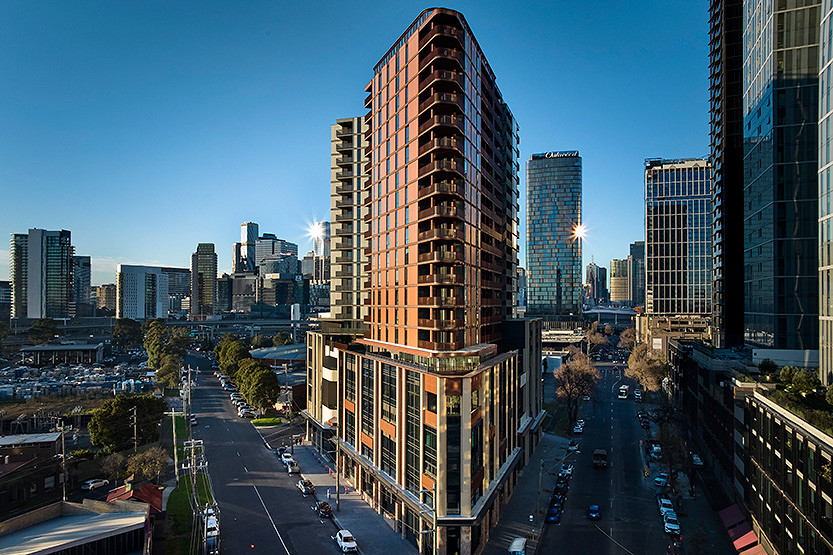
The Canopy reaches completion in growing Montague precinct
The Canopy has reached completion at 272 Normanby Rd, adding another major residential development to the fast-changing Montague precinct in Fishermans Bend.
Read More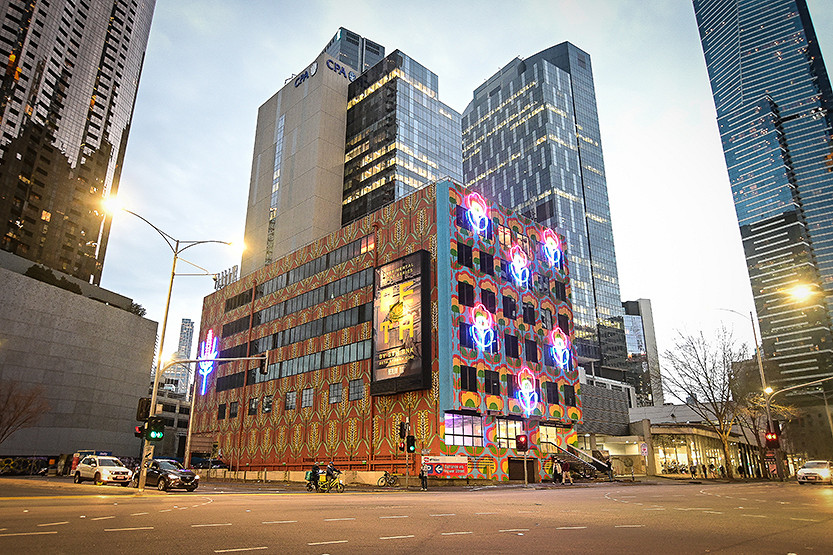
Sale of Hanover House signals likely end for Beulah’s STH BNK vision
The sale of Hanover House in Southbank appears to have all but extinguished hopes of Beulah delivering its iconic STH BNK by Beulah project in its originally approved form.
Read More
Emerald Place brings new life to South Melbourne
A new luxury residential development on the corner of Clarendon and York streets is helping reinvigorate South Melbourne’s main retail strip, close to Southbank and the CBD.
Read More
Sale of Hanover House signals likely end for Beulah’s STH BNK vision

Farewell Southbank News: more than a newspaper
 Download the Latest Edition