The remarkable life of Edward “Weary” Dunlop
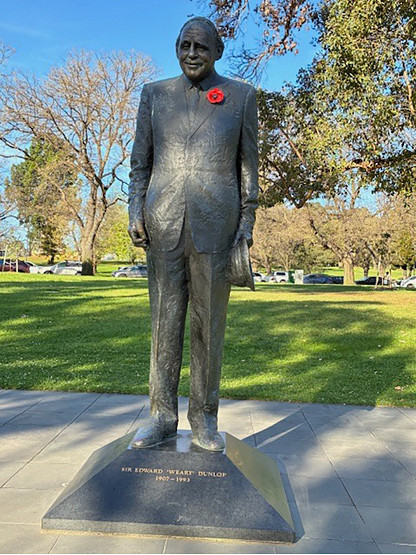
Among the many statues in Kings Domain is one dedicated to Sir Edward Dunlop.
Born in Majors Plain in 1907, he was known for his entire adult life by the nickname he acquired at Ormond College at Melbourne University, a pun on “tired” as he shared his surname with a tyre company.
But he was energetic in sport, study and the life of the college, representing Ormond in football, rugby, shot put and running as well as achieving first class honours and a prize for chemistry.
Commencing a pharmacy apprenticeship in 1924, Dunlop moved to Melbourne in 1927 and attended the Pharmacy College. Excelling in his studies, he won a scholarship in 1930 to Ormond College, Melbourne University to study medicine and then joined the Royal Melbourne Hospital in 1935, followed by the Children’s Hospital as resident.
When World War Two broke out, he joined the army, serving as a surgeon. He served in several war zones including the Middle East, Greece, Crete, Java and Singapore until early 1943 when his company was captured by Japanese troops and sent to work on the Thai segment of the infamous Burma-Thailand railway.
He remained there until the war ended, labouring tirelessly to save wounded, sick and malnourished men, many of whom died from their brutal treatment. He often put his own life at risk as he stood up to the treatment from his Japanese captors.
Despite his own ill-health, he was a courageous leader and compassionate doctor and administered medical treatment that saved countless lives, receiving smuggled supplies at substantial risk to himself and fostering activities and education for fellow prisoners.
After the war, Dunlop forged a pioneering surgical career and had national and international roles in health, veterans’ advocacy, international relations, and medicine.
In 1995, the Melbourne artist Peter Corlett, OAM (who specialised in full-figure commemorative sculptures) won the commission to design a statue of Dunlop, one of more than 30 major public sculpture commissions he received. He is known for his full-figure sculptures cast in bronze – a messy, laborious and physically demanding process carried out in a Fitzroy foundry.
The large bronze statue is located on St Kilda Rd and features Dunlop in a dignified, contemplative pose. It was fixed to a granite base and stands above a row of stairs, inscribed with names of medical staff who served as prisoners of war in the Asia-Pacific.
The sculpture also includes metal spikes that were used in the Burma railway. Inscribed on four large brass plates on the walkway towards the memorial is the incredible story of Edward “Weary” Dunlop. •
Related Articles
Letting the fumes out at Southbank!
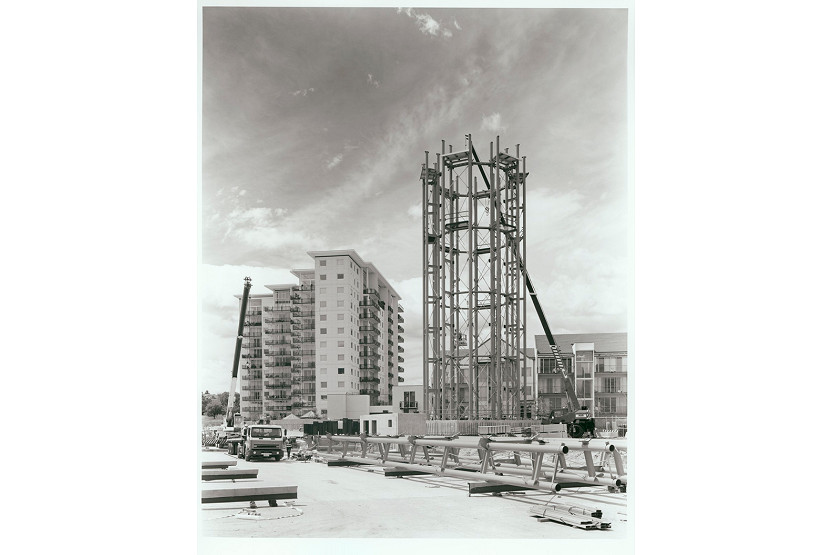
One of the most distinctive structures in Southbank sits in the small park along Grant St, next to the yellow Vault sculpture, itself a work of renown for the district. But it is not a dwelling – it’s a ventilation stack to release the fumes from the freeway that runs beneath.
Read More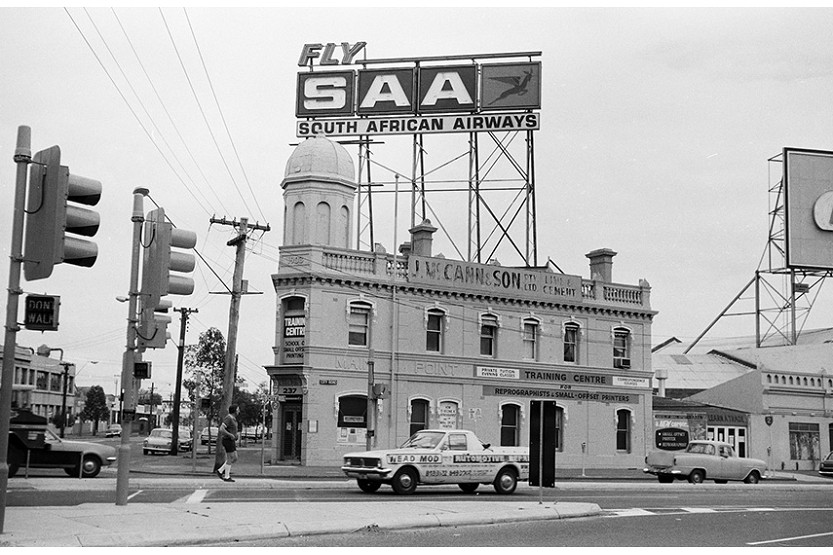
Mapping Southbank
In the years from 1970 to 1974, people in South Melbourne became used to seeing men in the rear cab of a ute with a large camera taking photos of the houses and other buildings that made up the streetscape.
Read More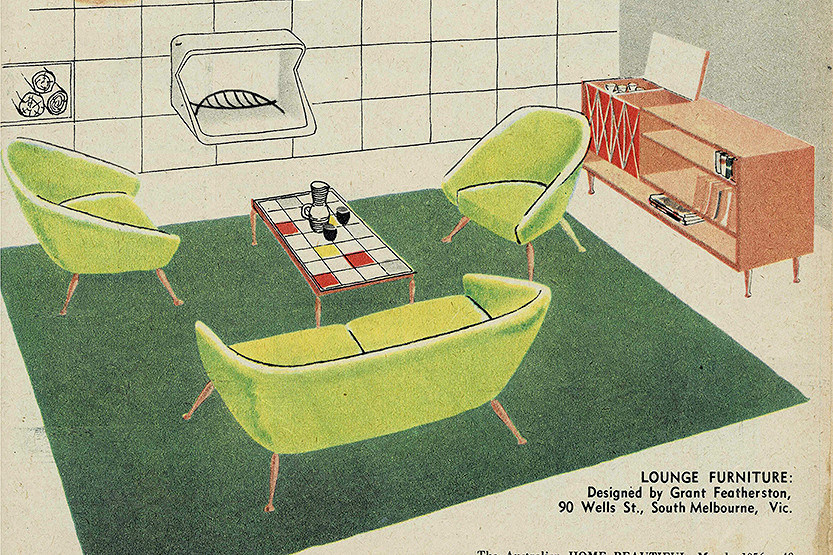
Designing in Southbank
One of the many stylish blocks of apartments in Southbank is situated on Wells St. Unusually, the four-storey block in a garden setting runs through to Dodds St, at the rear of the Malthouse.
Read More
Southbank agency brings home AI insights from elite Ray White study tour
“Federation Square of the South”: council backs tower but pushes harder for Queensbridge Square
 Download the Latest Edition