Tractors lined up in South Melbourne
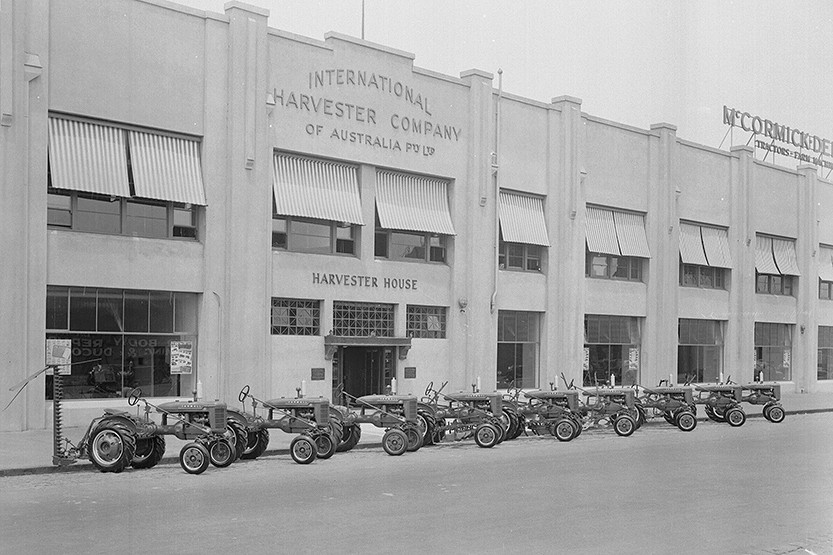

This iconic image shows a line-up of International Harvester (IH) tractors lined up outside Harvester House in City Rd, South Melbourne in 1941.
International Harvester was formed in 1902 by the merger of five of the leading US agricultural machinery manufacturers.
By the end of the decade, cultivating implements, milking machines, internal combustion engines, tractors and motor vehicles were added to the product line-up. An Australian subsidiary commenced operations in 1912 and in 1939 opened a new factory on City Rd in South Melbourne, on a site previously occupied by General Motors Holden (which moved to Fishermans Bend). The factory was partly demolished and remodelled.
Old floors were torn up and a forest of existing pillars were eliminated by installation of modern wide-spread girders. The emphasis throughout was on light and space.
The building featured a glass-fronted showroom for the display of International trucks, Farmall tractors and McCormack agricultural machinery. They were all vital tools for the booming agricultural sector of Australia and were in fierce competition with the local firm of Massey Ferguson, situated in Sunshine.
The stylishly updated new building, with cement-rendered finish, plate glass windows and a modern layout and finish, was accessible from four sides which made it unique for receiving, despatching and servicing trucks and tractors.
It also featured central heating and modern lighting throughout and a large metal sign facing City Rd advertising McCormack-Deering.
On the interior, where the administrative offices were located, sound proofing was ensured by sugar-cane fibre board, and all doors were in matching plywood of Queensland silver ash with floors in narrow hardwood that was stained and polished. Hardware was in oxidised brass. It must have given staff a distinct feeling of satisfaction to work in the stylish surrounds. One special interior feature was a theatre used for demonstrations, conferences, displays of new machines, and films.
The complex also featured an extensive parts department (up to 60,000 pieces!) connected by pneumatic tubes and bell wiring systems. Body parts were moved around the premises by a system of monorails and electric hoists and a massive goods lift from Kavanagh St.
The building was used by the firm until the early 1980s when it ceased operations in Australia. •
Related Articles
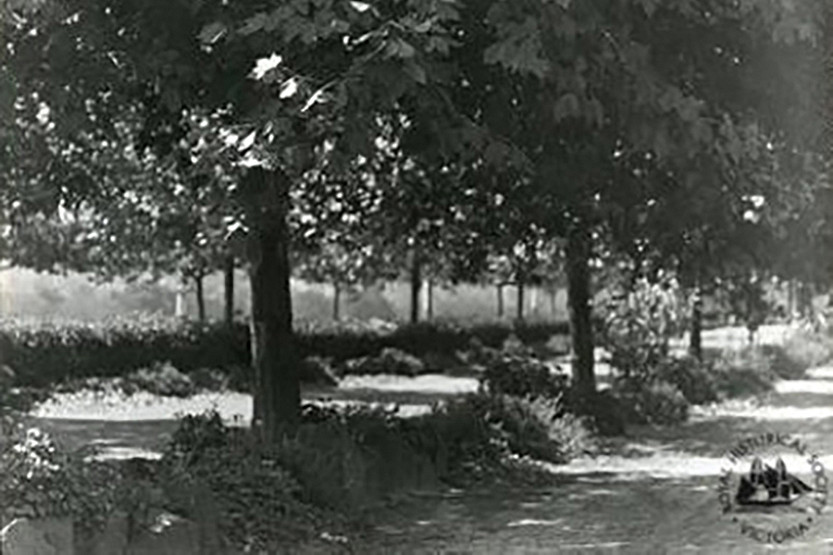
The history of “the Tan”
One of the treasures of Southbank is the Tan, a track that winds along the edge of the suburb for about four kilometres.
Read More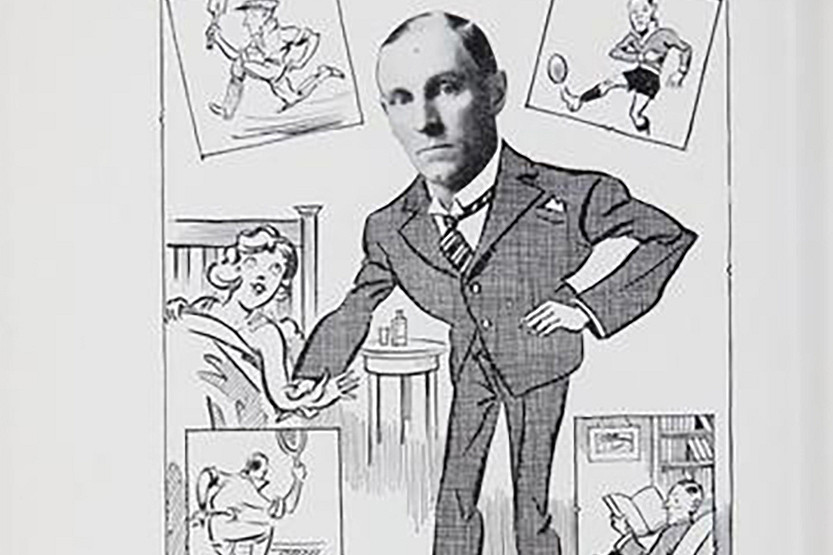
Roy Park – a community legend
Few locals had the impact on the community in South Melbourne displayed by Dr Roy Park who practised medicine in Cecil St. He was an outstanding doctor, a war veteran, champion league footballer, and a State and (briefly) a Test cricketer.
Read More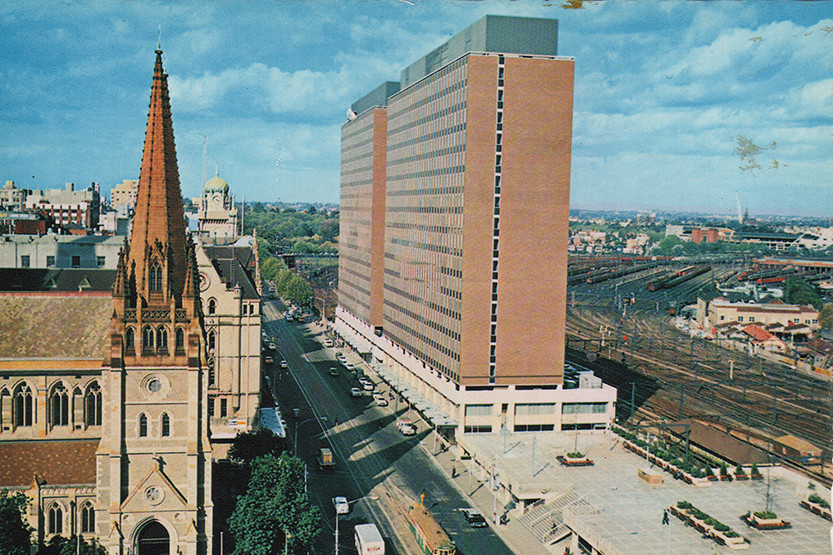
Most hated building in Melbourne: Princes Gate Towers
On the edge of the city (above Princes Gate railway station) stood the Princes Gate towers, commonly referred to as the Gas and Fuel building after its major tenant.
Read More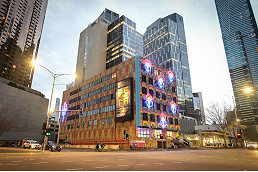
Sale of Hanover House signals likely end for Beulah’s STH BNK vision

Farewell Southbank News: more than a newspaper
 Download the Latest Edition