Wine, waste and mushrooms: a Fishermans Bend innovator turns sustainability into action
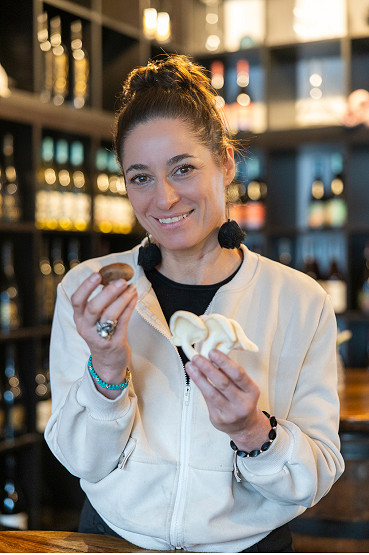

In a pocket of Port Melbourne’s industrial Fishermans Bend, a bold experiment in urban sustainability is taking shape – not in the vineyards or market gardens, but inside a pair of shipping containers.
Winemaker and entrepreneur Nikki Palun is turning grape marc, coffee grounds and cardboard into gourmet mushrooms and, perhaps more importantly, into a conversation about rethinking waste.
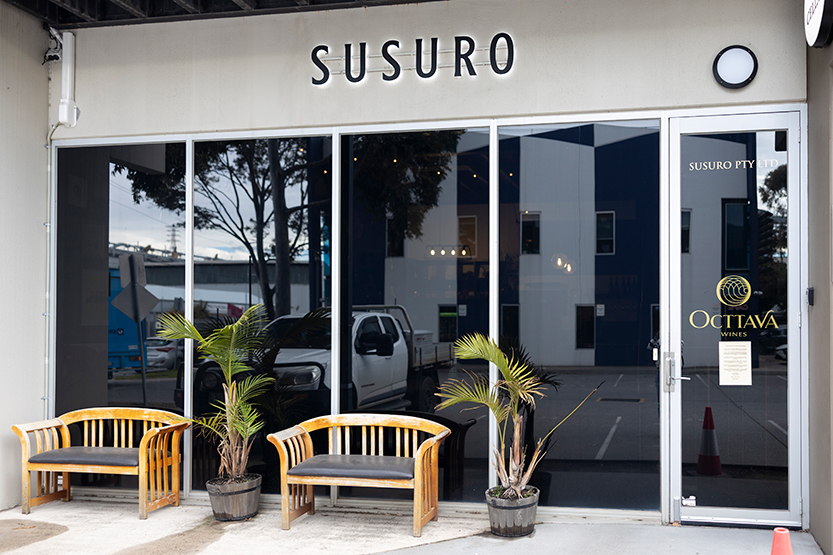
Nikki is the owner of Susuro Wines, an urban winery and cellar door that produces a mix of Italian and classic varietals from her vineyard in the Yarra Valley. But while her wines are exported internationally, it’s her local sustainability efforts that are now turning heads – and recently earned her $50,000 in grants from the City of Melbourne and not-for-profit Fishermans Bend Ideas.
The grants will help establish a circular mushroom farm near to her Fishermans Bend winery, using second-hand shipping containers to grow oyster mushrooms in a substrate made from her business’s cardboard waste, her neighbour St Ali’s coffee chaff, and spent barley from local breweries and distilleries CBCo and Starward Whiskey.
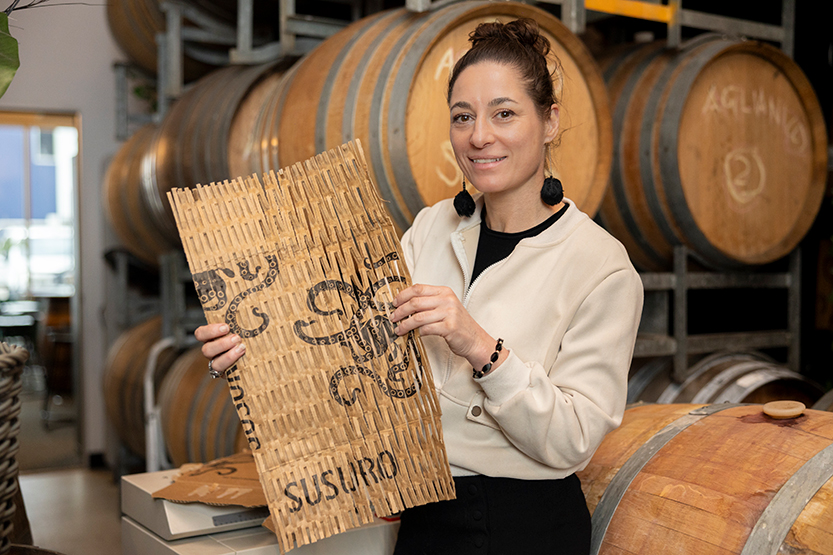
“I’m a firm believer that waste isn’t waste – it’s just an underutilised resource,” Nikki said. “In fact, I want to banish the word ‘waste’ because in my opinion, it’s not waste … everything can be reused, repurposed or upcycled.”
Her philosophy is rooted in real-world experience. During her twenties, Nikki spent nearly eight years living off the land – foraging, growing, and learning to work with nature’s rhythms.
“That time gave me a deep respect for food, for the environment, and for circular systems. Now I’m trying to recreate that mindset in an urban context,” she said.
While sustainability in the wine industry isn’t new, Nikki’s challenges are unique. Unlike most vertically integrated wineries, her business is spread across rural and industrial zones. That’s made many traditional sustainability certification pathways difficult to follow.
So instead, she’s forging her own path. In addition to vinegar, grappa (used as a natural disinfectant), and pig feed made from wine waste, Nikki’s latest focus is mushrooms. She’s completed a commercial mushroom growing course and plans to launch with oyster mushrooms – chosen for their resilience and versatility – before scaling into more complex and medicinal varieties like lion’s mane and reishi.
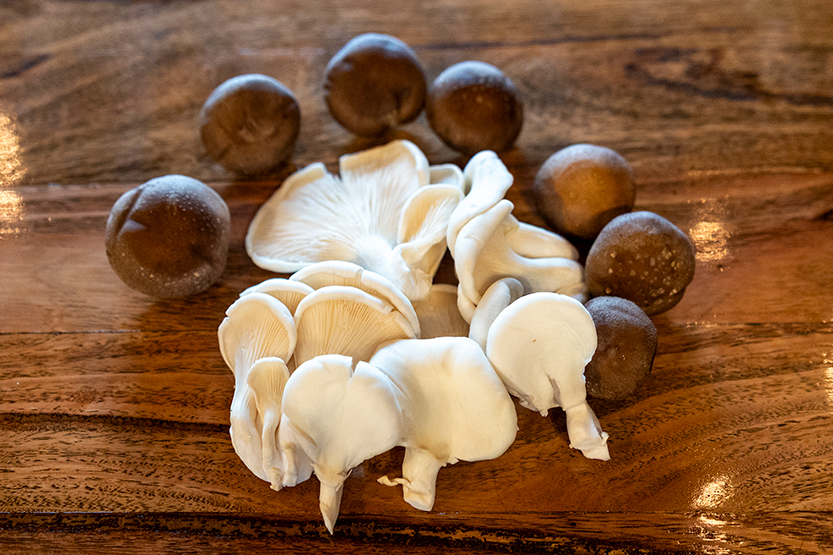
The mushrooms themselves will be used at her on-site bar and wine room, with longer-term plans to produce functional snacks and beverages. But for Nikki, the goal is bigger than business.
“I want to show that sustainability doesn’t have to be hard. Whether it’s a mushroom farm or a worm bench that composts food waste beneath your seat, the point is to spark new ways of thinking,” she said.
Her vision is already taking root. The mushroom containers – one for incubation, one for fruiting – are expected to be operational within months, and a new bench seat designed by local circular economy initiative Worms at Work will soon sit outside her venue.
For Nikki, it’s all about giving back to the community and the environment, while proving that innovation doesn’t have to come at the cost of nature.
“It’s about creating systems that regenerate, not deplete. If we can grow mushrooms from cardboard and coffee grounds, what else might we grow next?”
Visit: susuro.com.au | Instagram:
@susuro_wines •
Related Articles
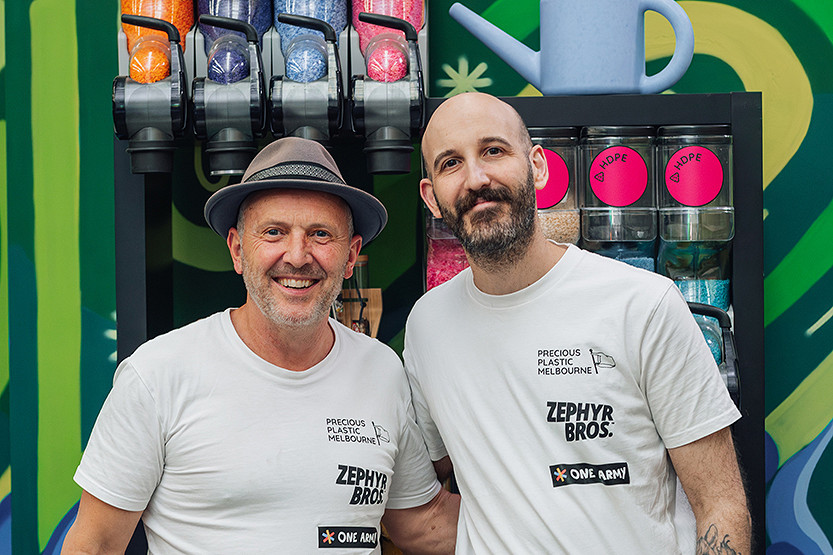
Celebrate Recycling Week at Fishermans Bend’s Circular Design Collective
Melburnians are invited to celebrate creativity, sustainability and community at the Circular Design Collective Open Day, held on Sunday, November 16 in Fishermans Bend.
Read More
Council switches on Power Melbourne; Southbank up next
The City of Melbourne has installed its first community battery in the CBD as part of its Power Melbourne renewable energy program for residents and businesses, with the Boyd Community Hub in Southbank to receive the next one in July.
Read More
Beulah explores “urban farm” at its Southbank site
The developer behind what will be Australia’s tallest tower has announced yet another intriguing activation of its City Rd site while it prepares for construction: a 200sqm pop-up “macrofarm”.
Read More
Sale of Hanover House signals likely end for Beulah’s STH BNK vision

Farewell Southbank News: more than a newspaper
 Download the Latest Edition