Community Safety Officers: a welcome initiative – but are we missing a key opportunity?
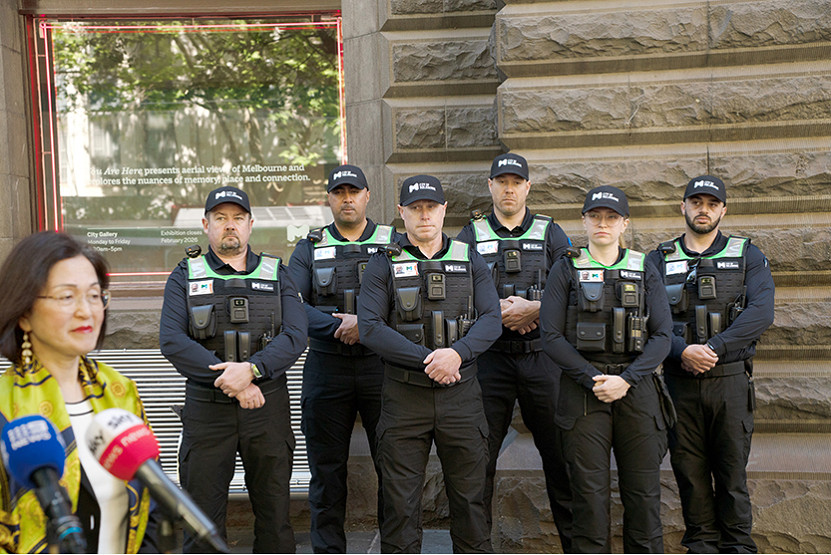

As Southbank continues to grow into one of Melbourne’s most densely populated neighbourhoods, safety remains one of the most consistent concerns raised by residents.
That’s why the introduction of the City of Melbourne’s new Community Safety Officers (CSOs) has been welcomed by many. The program – currently running as a 12-month trial – feels like a practical and modern response: visible officers who are approachable, trained in de-escalation, and able to act as a bridge between residents, council and support services.
But as with any new initiative, it’s worth asking a few uncomfortable questions.
We’ve seen similar models trialled elsewhere in Australia – most notably in Darwin, where community safety patrols were created with the best of intentions but ultimately drew criticism.
The issues weren’t about the concept itself, but rather about unclear purpose, inconsistent deployment and the sense that officers were often present everywhere except where problems were actually occurring. Good ideas can falter if they aren’t aligned with real-world needs.
That’s one reason this Melbourne trial deserves close scrutiny, and why many Southbank residents are asking the same question: Why are CSOs not rostered during the hours when most crime actually occurs?
The council and Victoria Police data consistently show that the highest rates of assaults, disturbances and antisocial behaviour occur between 10pm and 3am on Friday and Saturday nights – precisely when the city is busiest, liveliest and most vulnerable. Yet the CSO trial currently avoids operating during these peak periods.
If our goal is prevention, visibility and early intervention, then isn’t this exactly when we need them most?
To be clear, no-one expects CSOs to step into situations requiring police powers. Their value is in presence, support, and calming potential issues before they escalate. But without coverage during the city’s highest-risk hours, we may be missing the very window where early intervention would have the greatest impact.
This, however, is the beauty of a trial: it allows us to learn. It allows gaps to be exposed, needs to be identified, and improvements to be made. And if the next 12 months demonstrate what residents already observe, there may be a strong case to expand CSO operating hours – including late-night coverage – to ensure the program truly meets the realities of urban life.
Despite these questions, the introduction of CSOs is an undeniably positive step. Their presence during the day and evening adds value, enhances community connection, and helps identify issues before they grow. With thoughtful refinement, the trial has enormous potential to shape a long-term model that genuinely improves safety and confidence in Southbank.
My hope – and the hope of many residents – is that the council uses this trial to be bold. To compare, to question, to adjust. And ultimately, to build a community safety program that reflects not just what looks good on paper, but what actually works on the streets where we live.
The committee of Southbank Residents’ Association would like to extend our warmest thoughts to our community over this festive season, may it be safe and joyous. We look forward to hearing from you and working with you for another no doubt action-packed year for 2026. •
Related Articles
How do we turn neighbours into a community?
Southbank has undergone an extraordinary transformation over the past two decades. What was once largely a commercial precinct has become one of Australia’s most densely populated residential communities. Every day, thousands of people call Southbank home—but increasingly, many of them are only here for a short time.
Read More
More than just rubbish
If you spend any time walking around Southbank, you’ve probably noticed it yourself. Overflowing rubbish bins have become an increasingly common sight across parts of our neighbourhood.
Read More
When a Southbank tree dies, the loss is bigger than it looks
A tree died outside my office recently.
Read More
Australia 108 rooftop stunt sparks safety questions
Dorcas St meal brings community together in South Melbourne
 Download the Latest Edition