When a Southbank tree dies, the loss is bigger than it looks
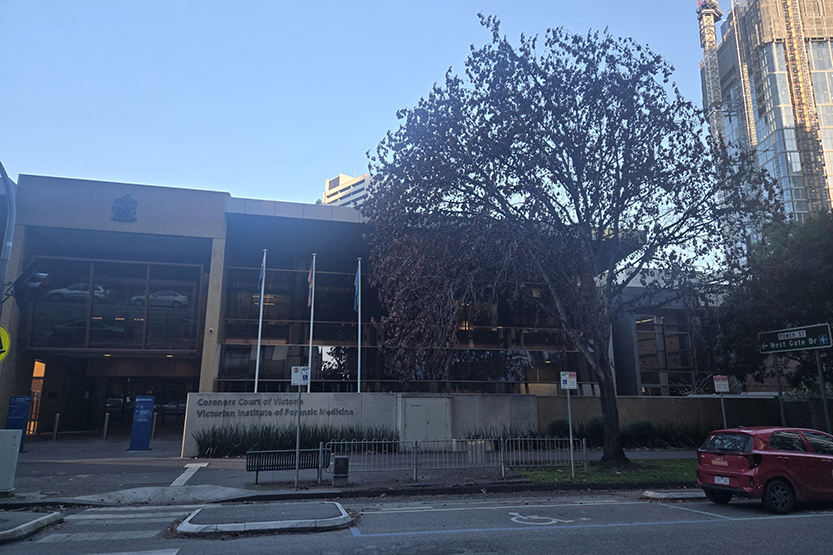
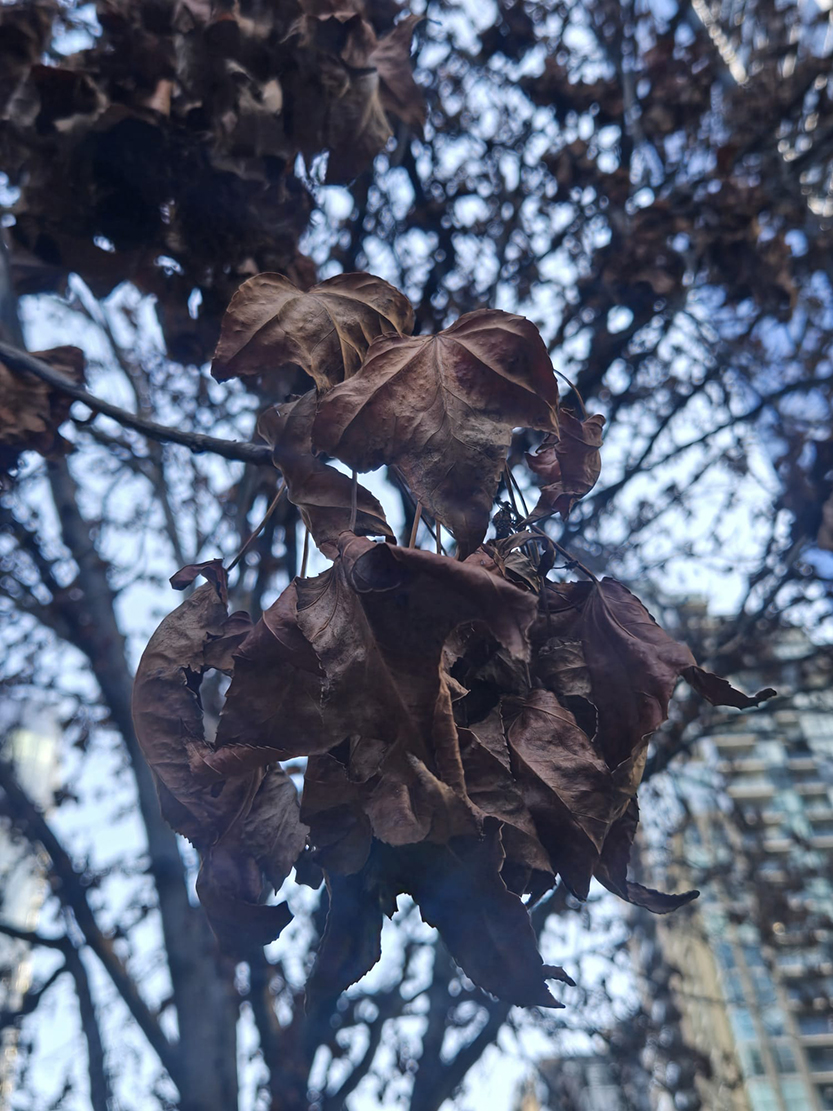

A tree died outside my office recently.
Most people probably walked past without noticing. In a city full of cranes, construction hoardings and constant change, the loss of a single tree can seem insignificant.
But this was not just any tree.
Standing outside the Victorian Coroners Court on Kavanagh St, it had clearly been there for decades. Large, established and quietly imposing, it offered shade in summer, colour in autumn and a softness that helped counter the hard edges of Southbank’s concrete, glass and asphalt.
Over the past two years, it became something else for me as well.
Each nesting season, a family of magpies would return to raise their young in its branches. Most mornings I would stop on the footpath and watch the ritual unfold: parents swooping down to collect food before flying back to the noisy, impatient chicks above.
In time, that simple observation became part of my daily rhythm. In a part of the city often defined by planning debates, construction noise and traffic, this tree was a small but important reminder that nature still existed here too.
Now it stands lifeless.
The City of Melbourne later confirmed the tree had died following an inspection by an arborist. What struck me most was not simply the confirmation, but the uncertainty around it. The arborist reportedly carried out a thorough assessment, yet there was “no obvious cause of the rapid decline”.
That sentence felt strangely sobering.
One season the tree was alive with shade, colour and nesting magpies. The next, it was gone.
The council said nearby Liquidambar trees remain in good health and that this one will be removed and replaced. But the episode was a reminder that even large, established trees in our urban environment can be more fragile than we assume.
And that is why mature trees matter so much.
We often speak about replacing trees as though one can simply substitute another, but it does not really work that way. A sapling planted tomorrow may eventually become magnificent, but only after decades of growth, canopy, habitat creation and quiet integration into the life of a neighbourhood.
To the council’s credit, this is not a story about neglect. Since 2012, almost 1400 public trees have been planted across Southbank, alongside nine streetscape projects incorporating new planting. Its Urban Forest Strategy aims for 40 per cent tree canopy cover on public land by 2040.
At present, Southbank sits at just 16.8 per cent. That statistic says a great deal. Southbank can be beautiful, but it can also be harsh. Heat radiates off towers, roads and footpaths. Shade is inconsistent. In many parts of the precinct, trees are not defining features of the landscape, but isolated interruptions within it.
And yet trees are not decorative luxuries. They cool streets, improve air quality, soften density, support biodiversity and make highly urbanised communities feel human.
As the City of Melbourne prepares a renewed Southbank Urban Forest Precinct Plan, perhaps this is a moment to think more carefully about the kind of place Southbank should become over the next decade.
Not just taller. Not just denser. But greener, cooler, softer and more liveable too. •
Related Articles
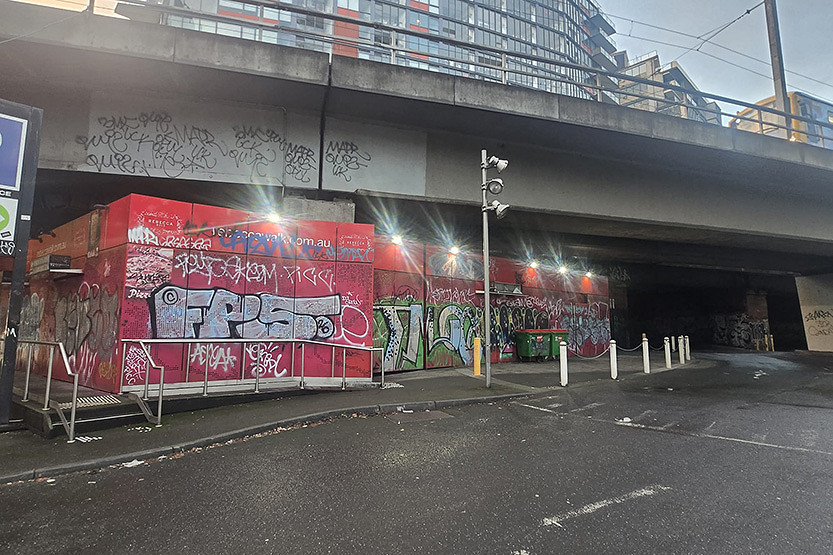
If we can remove Pam the Bird, why can’t we remove this?
Melbourne has recently been talking about graffiti again following the appearance of the now infamous Pam the Bird on the Bolte Bridge.
Read More
How do we turn neighbours into a community?
Southbank has undergone an extraordinary transformation over the past two decades. What was once largely a commercial precinct has become one of Australia’s most densely populated residential communities. Every day, thousands of people call Southbank home—but increasingly, many of them are only here for a short time.
Read More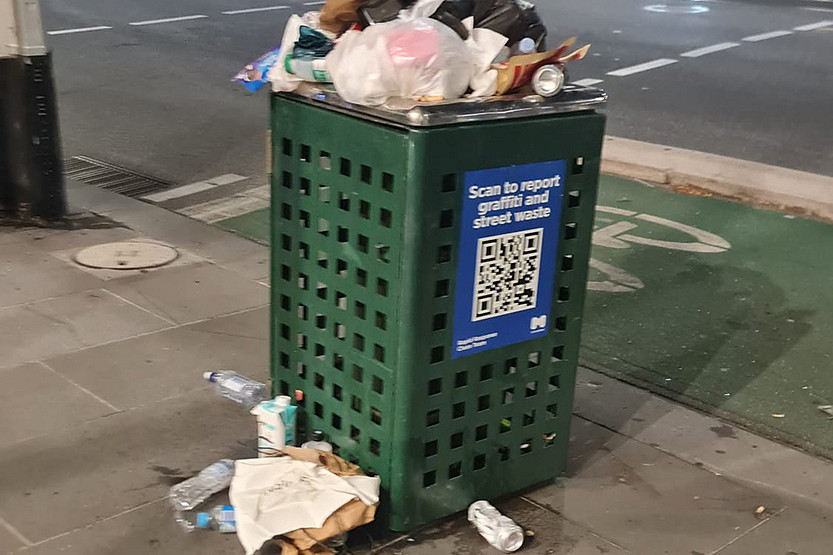
More than just rubbish
If you spend any time walking around Southbank, you’ve probably noticed it yourself. Overflowing rubbish bins have become an increasingly common sight across parts of our neighbourhood.
Read More
Sale of Hanover House signals likely end for Beulah’s STH BNK vision

Farewell Southbank News: more than a newspaper
 Download the Latest Edition