Humans of Southbank
In 2010 Brandon Stanton began
a project entitled Humans of
New York.
Through his project Stanton collected the images and stories of the “common” and some “not-so-common people” of New York. He later ventured beyond New York to include people from more than 40 different countries.
Stanton achieved many things through his project. Foremost, he reminded us of who we are. We are more than economic or commercial units, more than reductive digital codes, and more than the sum of our desires.
We are human. Complex, relational, flawed and beautifully human. We want to encounter each other. We find each other interesting … even good to be with.
Stanton’s project inspired many similar projects by other people. “Humans of …” blogs popped up everywhere. This generative project unearthed something that humans value beyond the vapid celebrity cultures, consumption cultures, and data cultures that seem to dominate and limit our thoughts, feelings and interactions.
We are different from each other, and that’s not a threat. We are naturally equipped to thrive in and even leverage our differences for shared good. Even now Stanton’s inspired project challenges the vile political and social cultures of resentment that dominate our social conversations and divide our connections with each other.
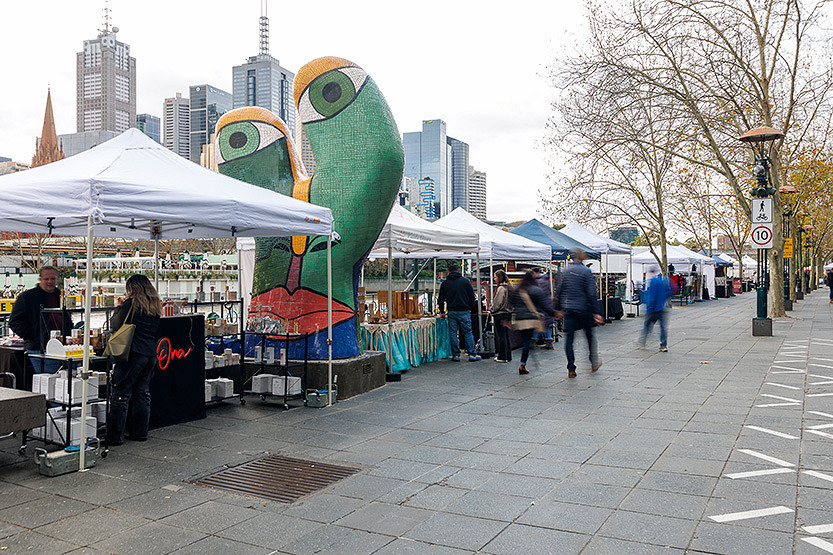
For the past three months I have foregrounded some of the humans of Southbank through this column. I have included cleaners and sanitary workers, buskers and street performers, and baristas as people who occupy and enrich the spaces that we share.
I want you to see and appreciate them. Not just because of the services that they provide, but because they are human, just like us. When we see the people who we share our Southbank spaces with we become open to encounters with them and their deep, personal stories. The humans of Southbank are good to be with. We are never alone.
Naomi Klein, a Canadian author, social activist and film maker, recently commented that we need to remember who we are when faced with the rapid development and use of AI (artificial intelligence).
Commenting on the proposition that AI is able to “think for us”, as though it is a good idea to outsource our thinking she said, “our power [as humans] is to be able to think with each other.” That can’t be outsourced, digitised, or commodified. It’s organic, fertile and uniquely, humanly social. It can’t be mimicked and it should never be given up.
When I was asked to contribute each month to the Southbank News, I wondered what readers might expect. As I am a religious leader, I imagined that readers might expect me to radically challenge the status quo and advocate for positive social change.
This article, with its encouragement to see and connect with the humans of Southgate, is the most radical, counter-cultural thing that I could imagine. Our human connections, in these times, are so tightly mediated through those who want to control our political, economic and cultural interests through division and resentment. What could be more defiant than working out our own relationships?
That begins with seeing the humans who are there. The humans of Southgate. They’re beautiful.
Thanks to Sean and his team at Southbank News for giving me this opportunity. While the format of the news is changing this human of Southgate is still around. Come and find me at John’s, 20 City Rd. •
Related Articles
Human touch
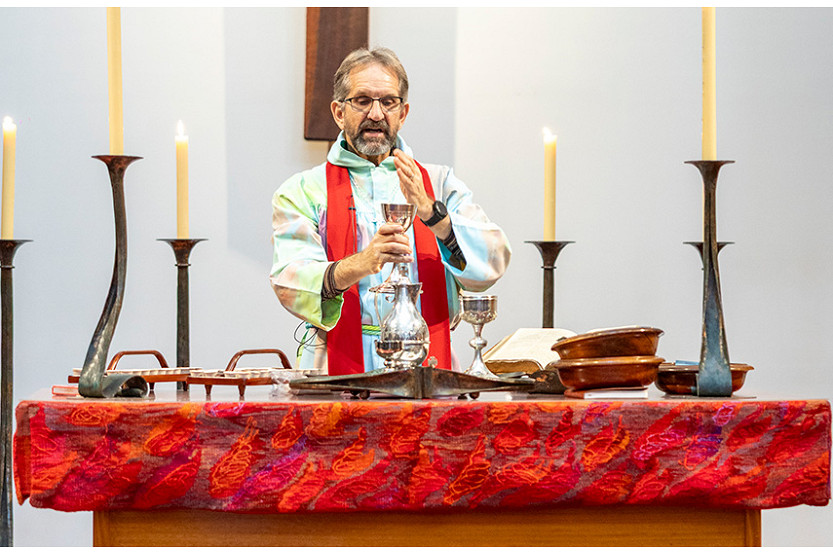
Do you have a favourite coffee shop? What makes it your “go-to” place? My hunch is that while good quality coffee is important there are other things that encourage your loyalty.
Read More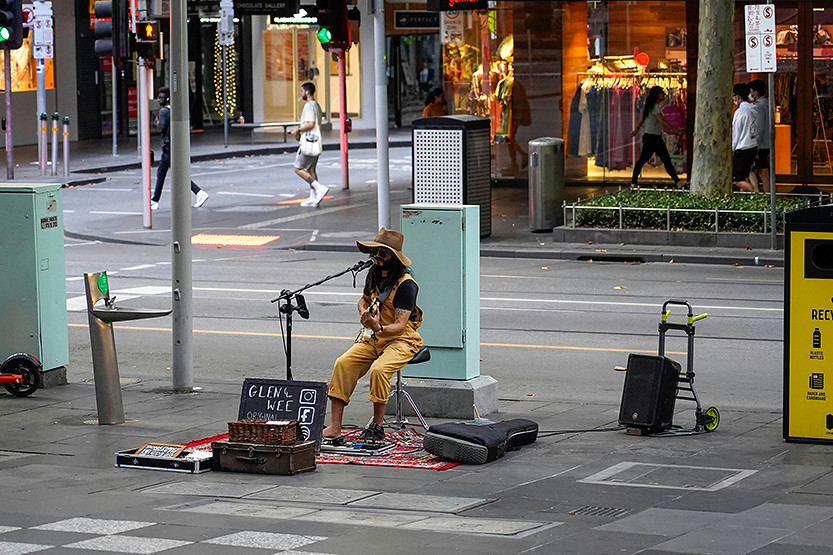
Southgate’s sights and sounds
Even as winter approaches entertaining street performers continue to charm our Southbank neighbourhood.
Read More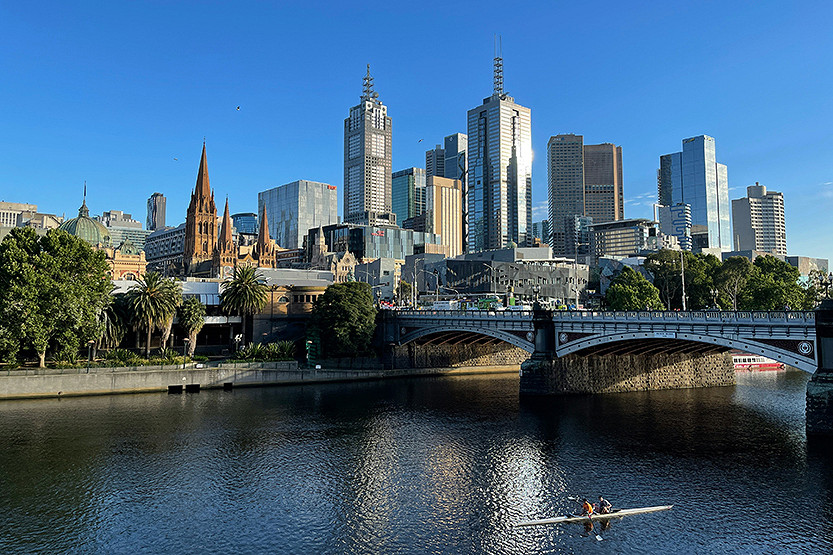
Thank God for the cleaners who keep Southbank going
It is sometimes said that, throughout history, plumbers have saved more lives than medical doctors. While that claim carries more than a hint of class warfare, it does underscore the vital importance of sanitation and clean water to city life.
Read More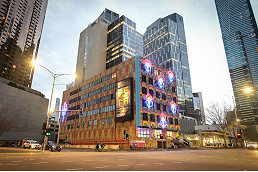
Sale of Hanover House signals likely end for Beulah’s STH BNK vision

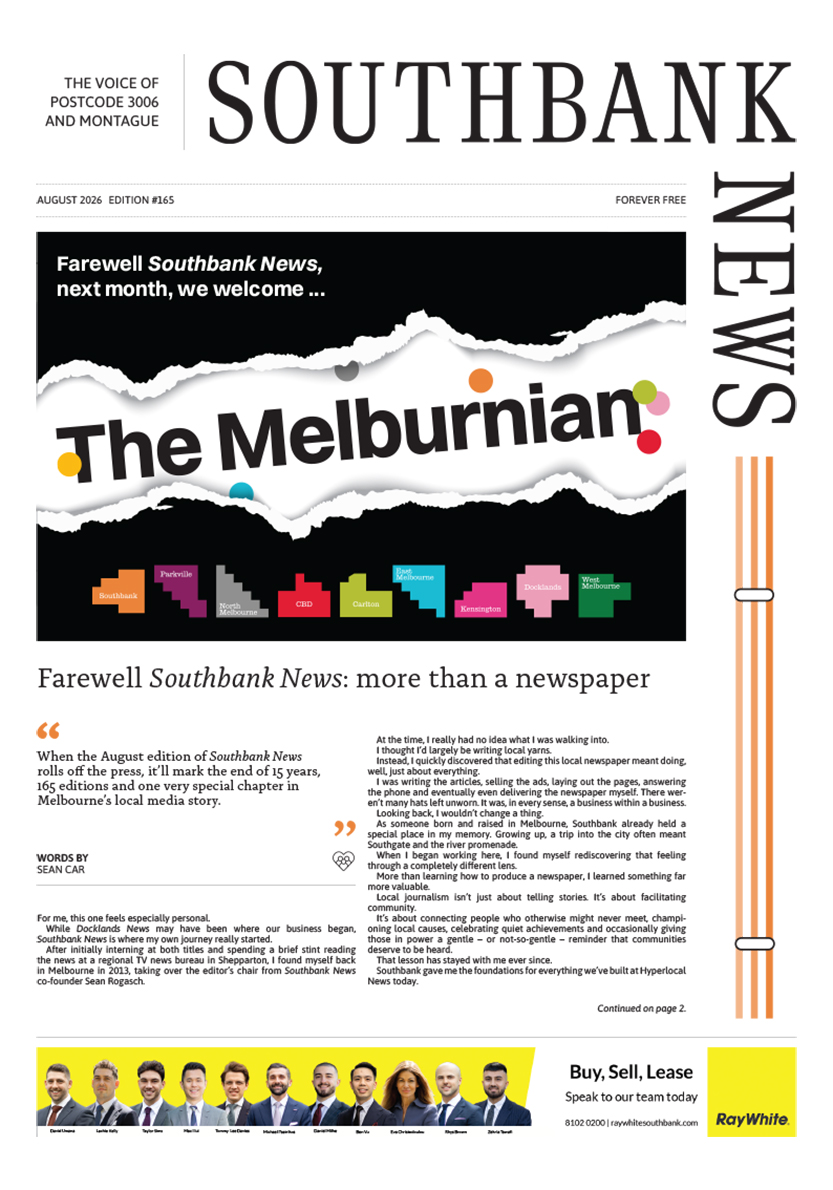
Farewell Southbank News: more than a newspaper
 Download the Latest Edition