Missed: commemorating National Missing Persons Week

I can’t imagine the pain and penetrating confusion created by the disappearance of a family member or close friend. It is a pain all its own.
As this year’s National Missing Persons Week is commemorated from August 3 to 9 missingpersons.gov.au, my thoughts go to the aching experiences of families and other social groups who quietly carry the unbearable burdens of unresolved loss.
They are always searching, always scanning crowds, always following leads, always triggered by sights, sounds and smells, to always hope.
The grief that is experienced by the families and friends of people who are missing is sometimes described as “Ambiguous Loss” (Pauline Boss – Ambiguous loss: Learning to live with unresolved grief). It is the pain of “not knowing”, which Ms Boss describes as a constant, life-long fluctuation between hope and hopelessness.
Loren O’Keeffe, the founder and director of missed.org.au, described her own experience of Ambiguous Loss in an article published in The Monthly …
“The not knowing is unbearable … families who don’t know where their loved one is, they’re dealing with a very unique type of trauma, which is called ambiguous loss. And psychologists around the world consider it to be the most traumatic type of loss and the most unmanageable form of stress, because you are constantly ruminating, which is exhausting. You can’t sleep. You’re not eating well. It’s near impossible to maintain any semblance of a healthy lifestyle when your loved one’s missing. And the longer that it goes on, your mental health is badly affected.”
Impatience companions ambiguous loss. It is an impatience that is acutely focused on the “searched for”. Precious time, resources, attention and emotional energy are not wasted on those who are not equally committed to finding the ones who are “missed”.
Now in her 90s, and from her home on the west coast of the USA, Ruth’s search for her missing daughter Julie Garciacelay remains as focused and as passionate as ever.
Julie disappeared 50 years ago while visiting Melbourne in 1975. Ruth’s pain is compounded by her own certainty that someone knows what happened to Julie and where she might be found. Someone can share that information and ease her 50 painful years of not knowing.
A plaque and memorial maple tree have been placed in St Johns Southgate private garden to testify that Julie is missed, and to ensure that she remains searched for, and remembered.
Julie’s story is told by Helen Thomas on the Casefile Presents podcast, entitled “Julie’s Gone”.
It is important that we recognise and understand something of the constant agony that families and friends experience when a person goes missing. It’s important that we sense something of the daily, crushing confusion and ambiguous pain of, “not knowing” as it might be experienced over and over again.
A prayer: God who searches, guide and give strength to the people who look for their missing loved ones. Return them to each other’s care. Open hearts and give courage to those who might have information to share. Show us all how to patiently and helpfully support those who search. Amen. •
Related Articles
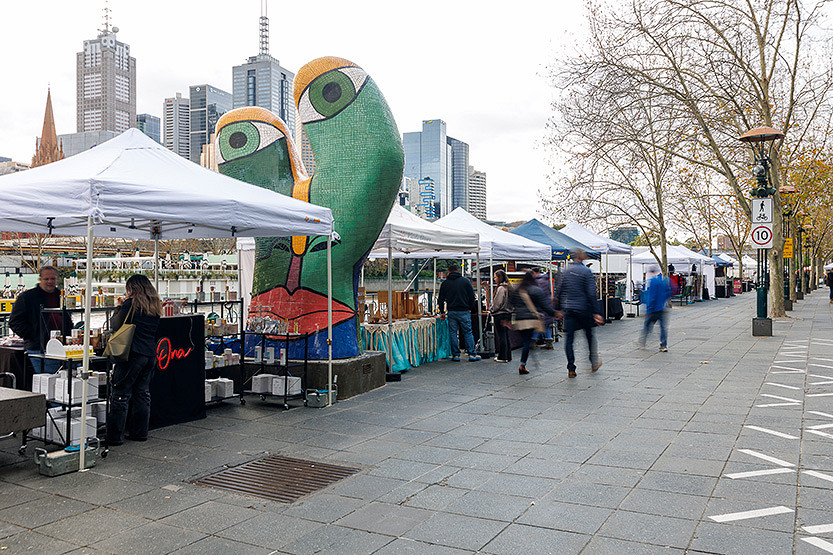
Humans of Southbank
In 2010 Brandon Stanton began a project entitled Humans of New York.
Read More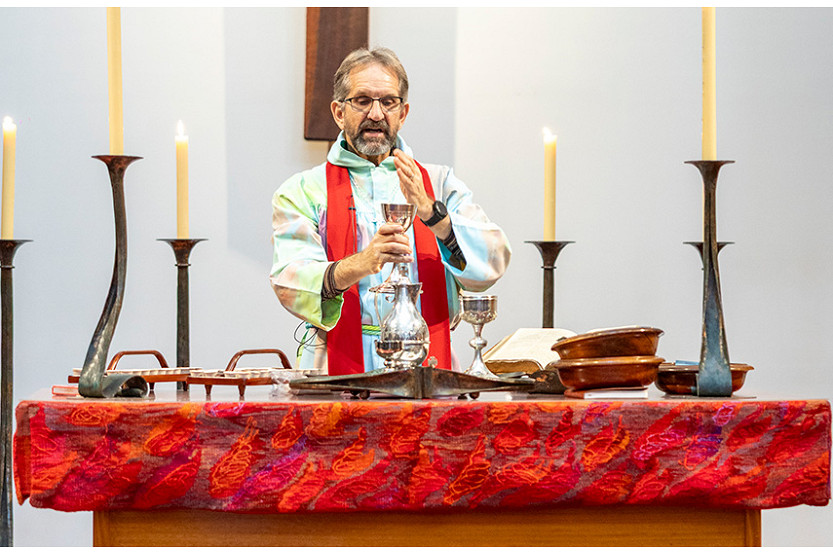
Human touch
Do you have a favourite coffee shop? What makes it your “go-to” place? My hunch is that while good quality coffee is important there are other things that encourage your loyalty.
Read More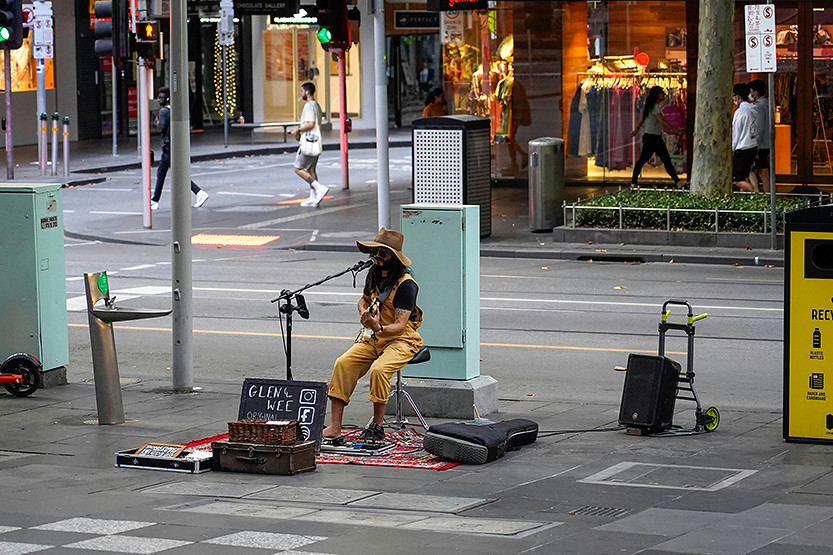
Southgate’s sights and sounds
Even as winter approaches entertaining street performers continue to charm our Southbank neighbourhood.
Read More
Sale of Hanover House signals likely end for Beulah’s STH BNK vision

Farewell Southbank News: more than a newspaper
 Download the Latest Edition