Friends in new places
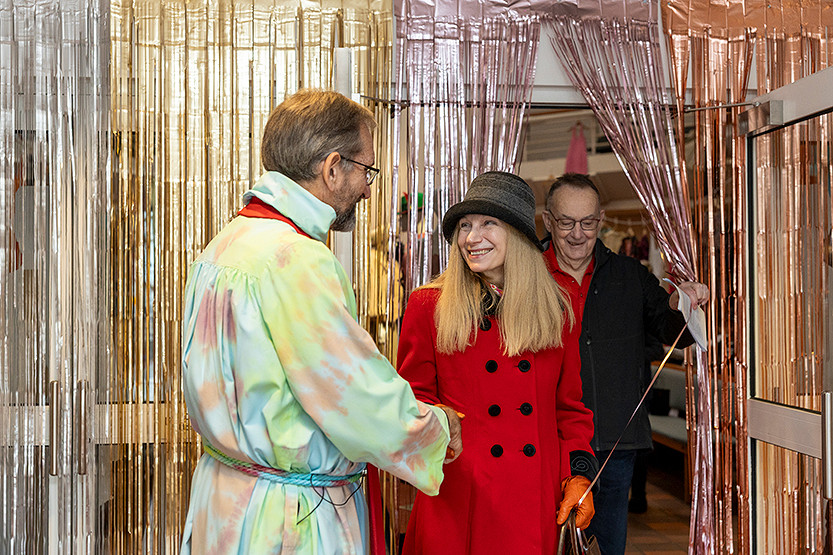
It’s been almost two years since my wife and I moved from Adelaide to Southbank.
While our experience was initially bitter-sweet as it mingled our deep grief at leaving with the excitement of living somewhere new, we agree that new friends are one of the best gifts of living in a new place.
Aristotle (possibly) wrote, “A friend may well be reckoned the masterpiece of nature.”
As newcomers it means everything to be woven into those masterpieces; to be seen and included. It nourishes a deep craving for connections that are commonly felt by all people, where to be a friend is just as life-enriching as it is to be befriended.
A lot goes on in friendships, and not all friendships do the same things. Some friendships connect us to each other through common interests, roles and tasks while others deeply connect us at our souls.
In his book, On Friendship, Andrew O’Hagen writes about how some friends, our “first friends”, help co-construct our very being.
“First friends are the eternal ones, the mad ones, your original psychic twins. They are the freedom fighters of your schooldays and the steady wheels of your bid for personhood,” O’Hagen states.
These deeply invested, heavy-lifting, challenging friends are the ones that I value most. They are true friendships and not echo chambers that agree with my every ignorant, careless, foolish thought and utterance.
These friendships confront and push back. They call me out. These friendships take risks and even endure offence to be, as O’Hagen suggests, “… the steady wheels of [my] bid for personhood.”
They affirm my place in the world while defiantly challenging any sense of my centrality to it. They want what is good and are prepared to companion me as I find it. They invite me to grow and be a friend. They are Aristotle’s “masterpiece”.
As I walk around our neighbourhood, I wonder how many people might enjoy the masterpieces of O’Hagen’s “first friends”. It appears to me that more people engage with their portable, black mirror, bias confirming echo chambers (phones and devices) than directly with other human beings. Their faces are turned down and not towards each other where, with expansive kindness, a friend might push back and show them that their own projects of personhood are always directly mediated person to person. Our friends don’t reduce and radicalise us to singular causes and flat identities. Instead, they launch us for adventure. Fulsome, wild adventure.
According to one Hebrew-Christian tradition the human story begins with God’s simple recognition, “It is not good for humans to be alone. I will provide helpers and partners for them” (Genesis 1:18). God knows our lonely aches for others, for our psychic twins by whom we are seen, heard, touched and known. Friends are good gifts from the God.
Making new, generous, and insightful friends has been one of the best parts of moving to Southbank as we realise that, even into grey hair, each of our “personhoods” are still being co-constructed.
Our new friends are much loved parts of that. We thank God for them. •
Related Articles
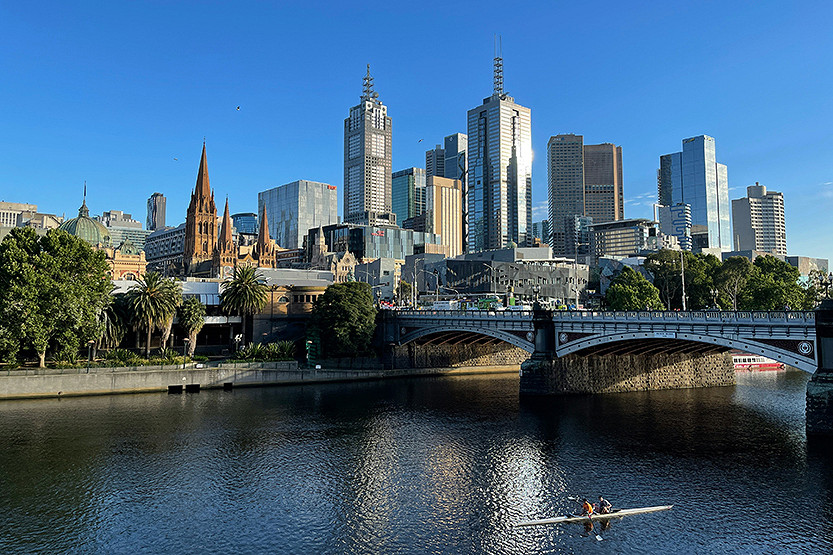
Thank God for the cleaners who keep Southbank going
It is sometimes said that, throughout history, plumbers have saved more lives than medical doctors. While that claim carries more than a hint of class warfare, it does underscore the vital importance of sanitation and clean water to city life.
Read More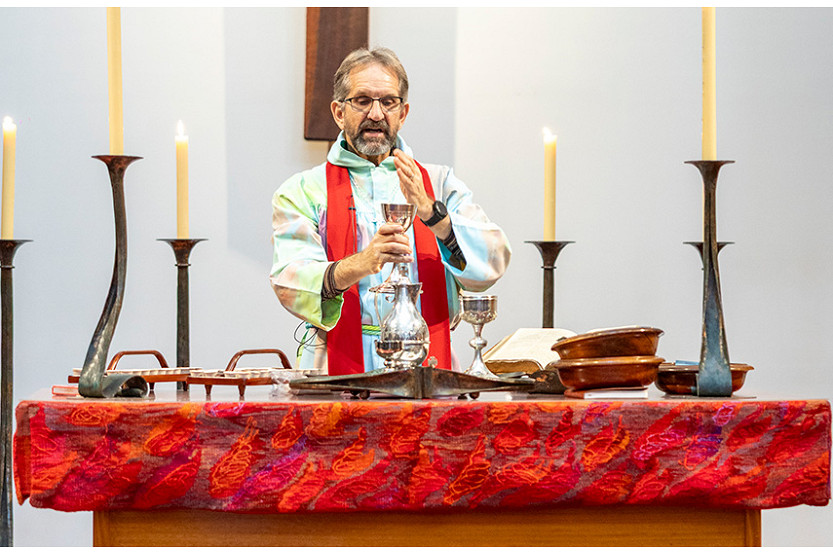
Sacred places
St John’s (Southgate) prayer chapel offers a sacred place for people to rest, recover and reset each day.
Read More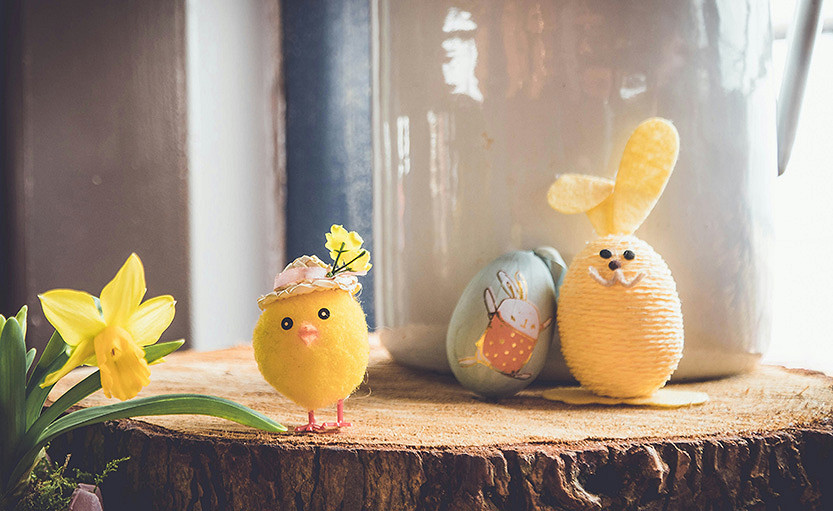
Easter is close
As cultural and commercial sentinels our supermarkets have, since shortly after Christmas, heralded this approaching season with buns, chocolate and camping supplies. Irrespective of your religious and cultural preferences, Easter is good.
Read More
“Federation Square of the South”: council backs tower but pushes harder for Queensbridge Square

STH BNK site heads to market in major blow for Beulah’s stalled Southbank supertower
 Download the Latest Edition