Melbourne unveils ambitious new economic strategy to cement global standing


The City of Melbourne has adopted a bold new economic roadmap designed to future-proof the municipality.
At the Future Melbourne Committee (FMC) meeting on July 1, the Council endorsed The Melbourne Advantage: Economic Development Strategy 2030, following a public consultation period that drew wide-ranging community support.
The strategy replaces the city’s previous economic framework which had a strong focus on economic recovery following the pandemic.
However, with Melbourne’s economy now rebounding strongly and the city overtaking Sydney as Australia’s largest and fastest growing city, it is facing different challenges.
Recent figures show the City of Melbourne’s Gross Local Product (GLP) surged to $126.8 billion in 2023–24, up 13.4 per cent since 2019.
This outpaces the broader Victorian economy, which grew by 11.4 per cent over the same period. The city now contributes 21.8 per cent to the state’s overall economic output.
Job growth has mirrored this expansion, with more than 652,000 jobs recorded in the municipality as of June 30, 2024 – an increase of more than 72,000 since 2019.
At the meeting, Lord Mayor Nick Reece said, “We are one of the most urbanised nations on earth and it’s time for our economic and development policies to reflect this.”
“Melbourne is the biggest city and the fastest growing city in the country, and this is going to continue to grow for decades and decades to come,” Cr Reece said.
The new strategy lays out an ambitious goal for Melbourne to become the Asia-Pacific’s leading destination for innovation, enterprise, and quality of life.
The strategy is built around five interconnected pillars that strive for Melbourne to be a global powerhouse of innovation, a magnet for the world’s brightest minds and best enterprises, alive with energy, globally competitive and liveable.
In the coming years, the council will work with state and federal partners to deliver on the strategy’s ambitious goals by supporting innovation districts, investing in skills development, and ensuring Melbourne remains globally competitive.
Head of the council’s innovation portfolio Cr Andrew Rowse said Melbourne could be Asia Pacific’s launchpad for climate, tech, health, sports and digital gaming.
“The Melbourne advantage – it is ambitious but grounded in the strengths of what makes Melbourne, Melbourne and what makes Melbourne unique,” Cr Rowse said.
The only councillor to vote against the strategy was Dr Olivia Ball, who questioned the decision for unemployment being used as the metric for inclusion, after council management had ensured other metrics would be used earlier this year.
Cr Dr Ball said that she would have liked to have seen inclusion metrics that were identified in the Inclusive Melbourne Strategy implemented into the Melbourne Advantage, which included annual employee demographics tracking.
“It was meant to be about inclusive economic growth, it was meant to be about ways to measure the economic participation of different groups, not push those questions off to a separate process,” she said.
The development of the economic strategy included a formal consultation process through Participate Melbourne between April 16 and May 13, 2025, during which the city sought feedback from residents, businesses and key industry stakeholders.
Feedback was overwhelmingly supportive, with community input helping to shape the final version of the strategy. According to council documents, the revised strategy now more directly addresses inclusivity, sustainability and access to opportunity.
The president of CBD residents’ group Eastenders, Dr Stan Capp, said that “the revised economic development strategies are well prepared and professional document which has benefited from consultations and refinements.”
However, Dr Capp suggested that the City of Melbourne should embed community engagement and future undertakings from the start of the process rather than at the end, due to initial consultation failing to adequately consult residents.
“Do not simply accept that as the check in the box,” he said. “Deliberative democracy is a meaningful part of good governance and can add critical input into complex issues. It’s worth the journey.” •
Related Articles

Council to retire Big Belly bins as new “smart” fleet rolls out
The City of Melbourne will begin replacing its ageing Big Belly bins with 500 new smart compacting bins from August 15, following renewed criticism over overflowing rubbish across the CBD and Southbank.
Read More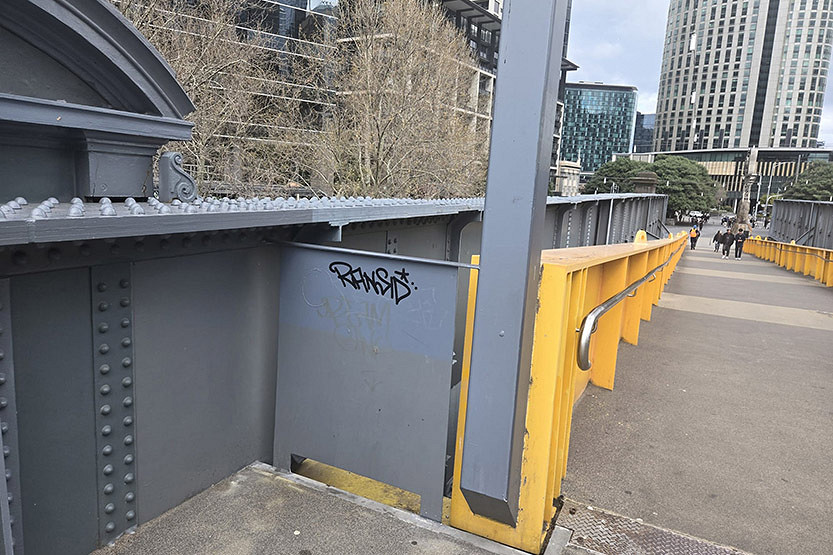
Graffiti delays expose gaps between council and state agencies
The City of Melbourne has acknowledged that graffiti on key city assets can remain in place for months while it continues trying to negotiate faster and more consistent removal arrangements with state authorities.
Read More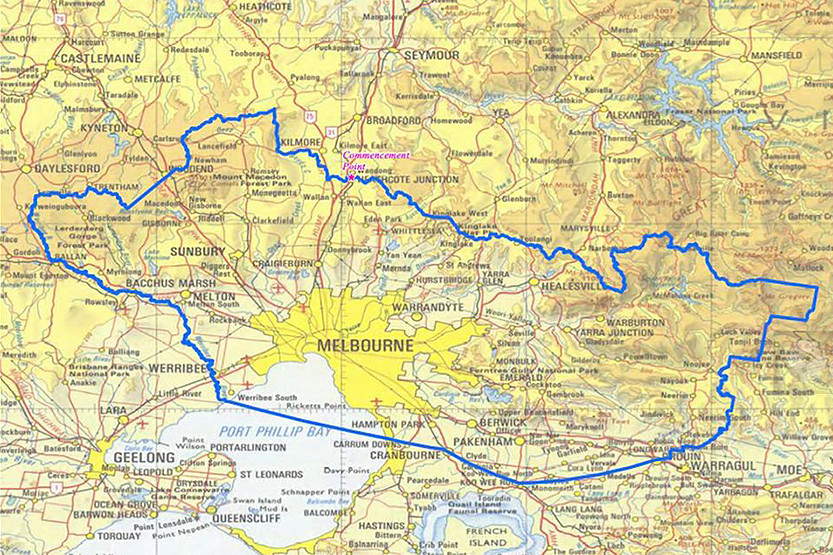
City of Melbourne seeks seat at table on native title claim
The City of Melbourne has voted to join proceedings in the Federal Court relating to a native title claim over metropolitan Melbourne and surrounding areas.
Read More
Sale of Hanover House signals likely end for Beulah’s STH BNK vision

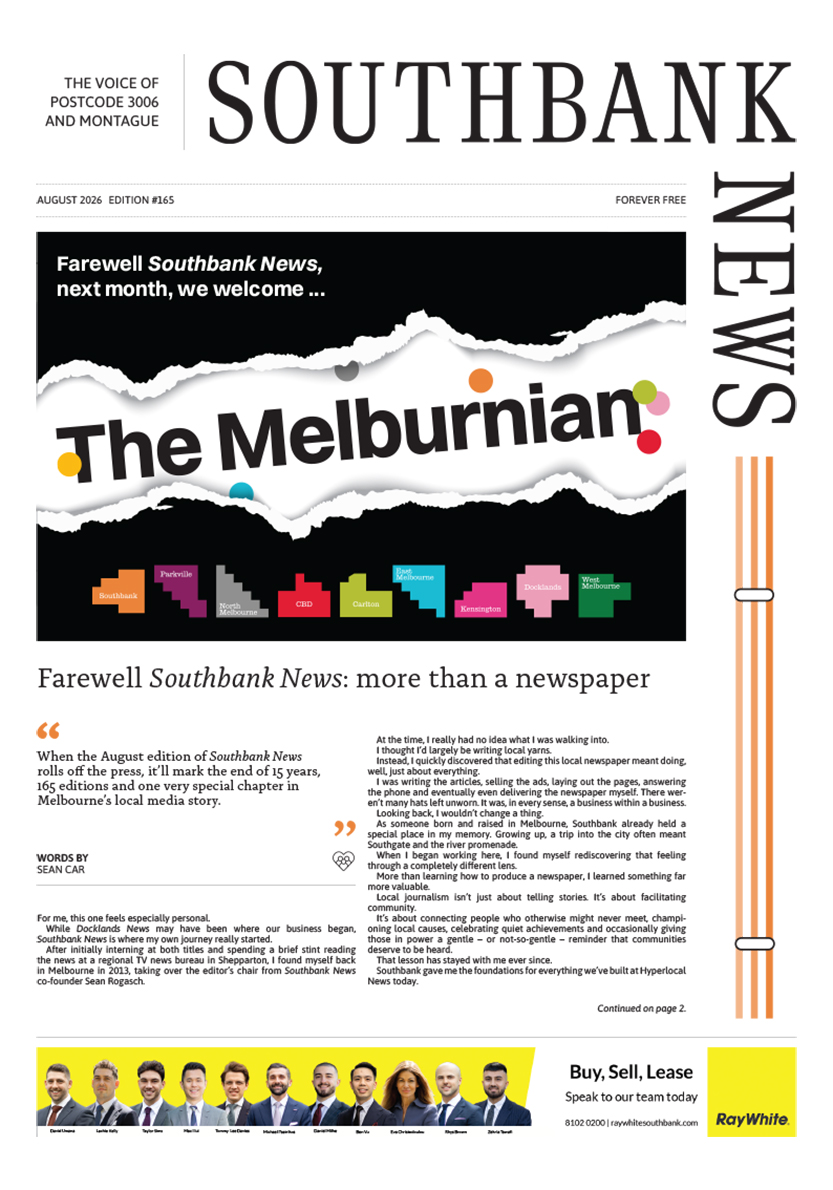
Farewell Southbank News: more than a newspaper
 Download the Latest Edition