Selling our history: What’s really at stake with Victoria Barracks?
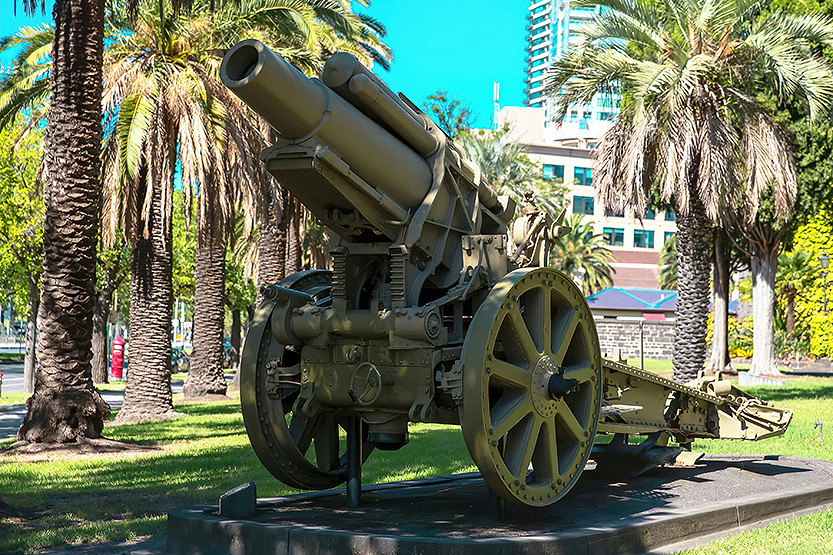

For more than a century, the Victoria Barracks on St Kilda Rd has been a mystery hidden behind high fences and military precision.
While many of us have walked past its red-brick façades and bluestone walls, the site has remained a kind of walled city – visible, yet largely disconnected from daily life in Southbank. As a serving member of the Australian Defence Force, I have had the rare privilege of working within its confines.
Few sites along St Kilda Rd carry the weight of history quite like Victoria Barracks. Built in the 1850s, it has served as a nerve centre of Australia’s military past – from colonial defence through to War Cabinet meetings during the Second World War. Originally constructed to house British troops, including the 12th and 40th Regiments of Foot involved in suppressing the Eureka Stockade at Ballarat, the Barracks later became central to Australia’s WWII effort. It is, without question, a heritage jewel.
Now, the Federal Government proposes to sell it.
On paper, the argument sounds sensible. The Barracks is deemed “under-utilised”, costly to maintain, and no longer critical to modern Defence operations. The sale could raise substantial funds to reinvest in contemporary Defence capability. Taxpayers save money. Everyone wins, right?
Maybe. Or maybe not.
Because once a site like Victoria Barracks is sold, it is gone forever.
Yes, heritage protections exist. Yes, adaptive reuse is promised. But history shows us that once land in prime locations like St Kilda Rd enters the private market, commercial pressures inevitably take over.
Community outcomes become “nice to have”, not essential. Public access quietly shrinks. Height limits are tested. Promises soften.
For Southbank residents, this is not an abstract policy debate. The Barracks sits at our eastern gateway. What replaces it will shape the character, density, traffic and liveability of our neighbourhood for decades to come.
Will it become yet another high-end residential enclave with minimal public benefit? Or will this be a rare opportunity to do something genuinely visionary – blending heritage, public space, cultural use and housing that actually serves the broader community?
That question has not yet been answered. And that is precisely the problem.
Many in our community understandably feel a sense of trepidation. We have all seen façadism elsewhere in Melbourne – where heritage is reduced to a decorative skin wrapped around a glass tower. We are also living with real construction fatigue. The prospect of yet another high-rise canyon is, for many, exhausting.
Yet there is a potential silver lining – if we advocate correctly.
The sale of such a significant public asset should not simply be about the highest bidder. It should be about a social contract. Clear conditions. Firm planning controls. Guaranteed public access. Genuine community consultation before contracts are signed – not after designs are drawn.
Could this site become an extension of the neighbouring University of Melbourne’s School of Music? A much-needed secondary school? A campus for one of Melbourne’s independent schools? Or a civic and cultural precinct that honours its past while serving future generations?
Selling Victoria Barracks may be inevitable. Squandering the opportunity is not.
The community must be part of shaping what comes next – otherwise this will be remembered not as a renewal, but as a quiet loss of public legacy.
Should a site that has served the nation for over 170 years be sold to the highest bidder, or shaped by the community it will impact for the next 170?
I invite residents to reflect on what we want this place to become — and to make their voices heard. Let us know your thoughts to [email protected] •
Related Articles
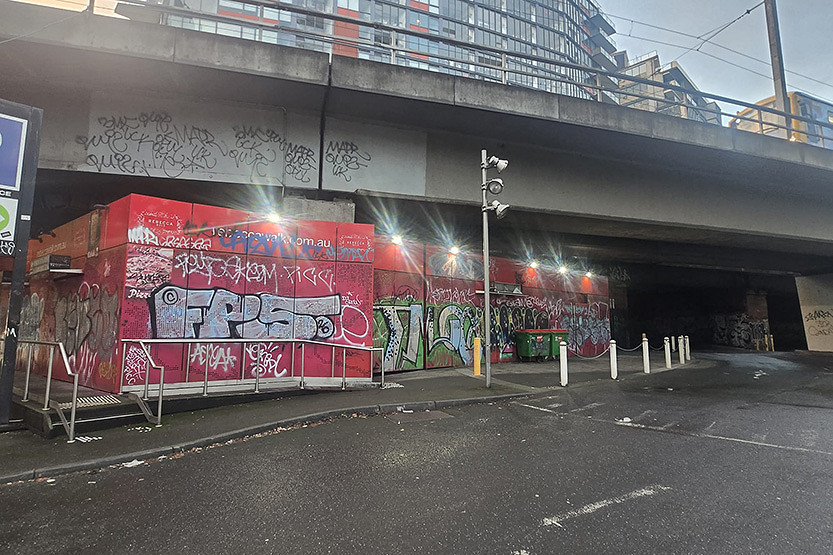
If we can remove Pam the Bird, why can’t we remove this?
Melbourne has recently been talking about graffiti again following the appearance of the now infamous Pam the Bird on the Bolte Bridge.
Read More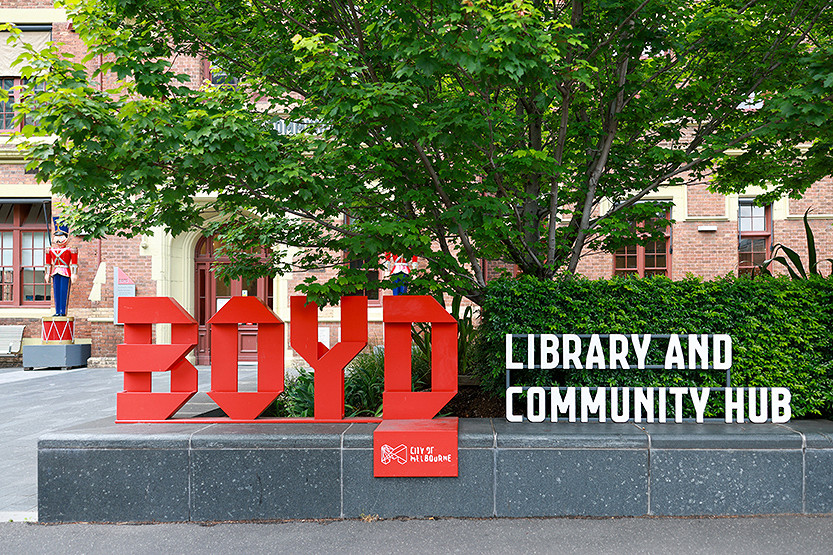
How do we turn neighbours into a community?
Southbank has undergone an extraordinary transformation over the past two decades. What was once largely a commercial precinct has become one of Australia’s most densely populated residential communities. Every day, thousands of people call Southbank home—but increasingly, many of them are only here for a short time.
Read More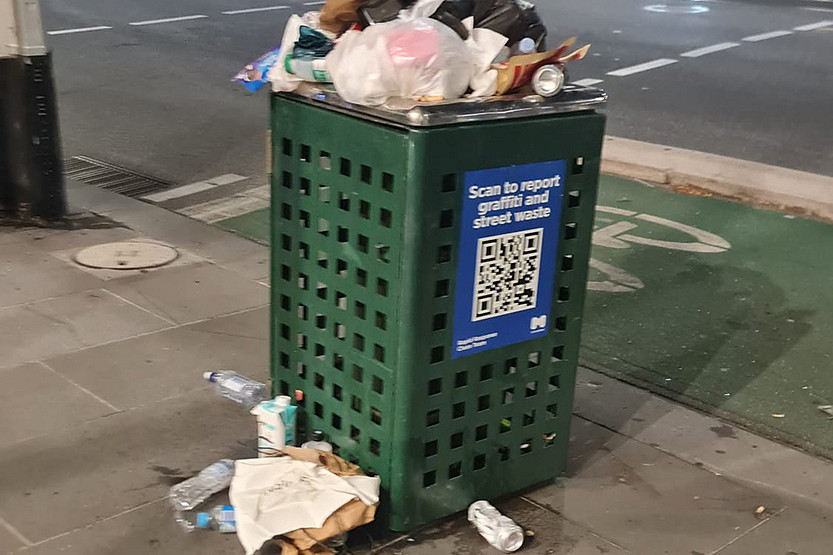
More than just rubbish
If you spend any time walking around Southbank, you’ve probably noticed it yourself. Overflowing rubbish bins have become an increasingly common sight across parts of our neighbourhood.
Read More
Sale of Hanover House signals likely end for Beulah’s STH BNK vision

Farewell Southbank News: more than a newspaper
 Download the Latest Edition