Southbank emerges a winner in City of Melbourne’s draft budget
The City of Melbourne’s 2026-27 draft budget is, on balance, a prudent one. However for Southbank, the more immediate story is that the suburb appears to be one of the clearer beneficiaries of this year’s spending plan.
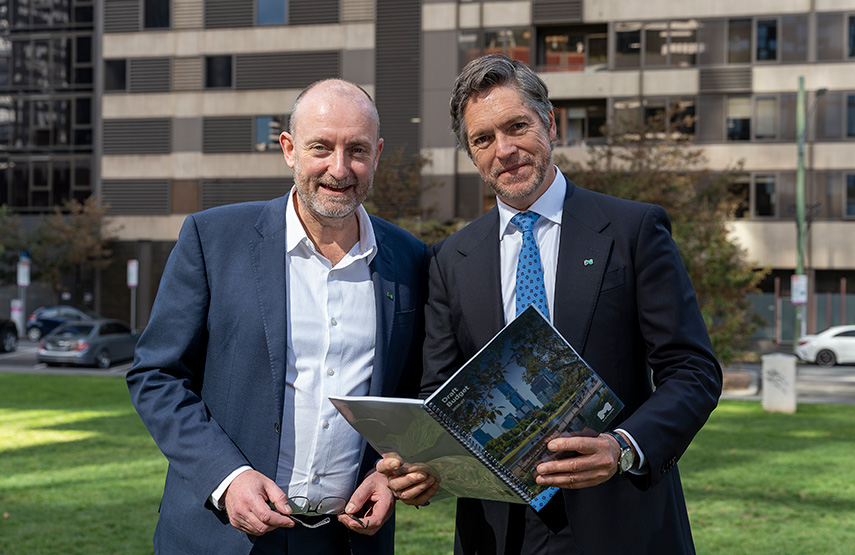
This budget delivers a third straight underlying surplus of $1.2 million, keeps services broadly intact and sets out a path to reduce council debt to $60 million by the end of the current term, with the city aiming to be debt free by 2032.
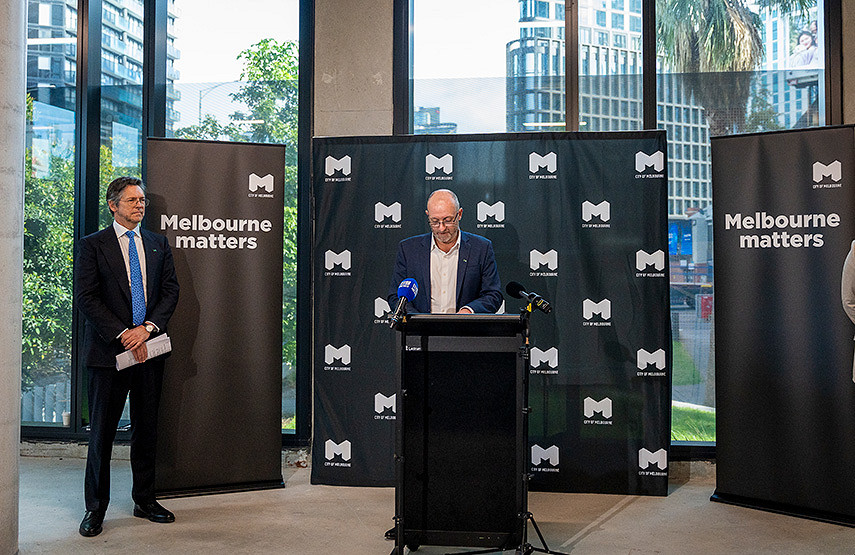
Unveiled at the future Southbank Library at Boyd Community Hub on March 31, the budget puts a spotlight on several long-awaited projects for the area, while also layering in broader citywide investments in safety, cleaning and open space that are likely to be felt locally.
The most symbolic of those wins is the new Southbank Library itself, with $2.8 million allocated to fit out the new facility within the new Boyd Village development.
For a growing residential community that has long argued it needs more accessible local services and civic infrastructure, the library is one of the clearest examples of a promised project now actually moving. It also paves the way for the soon-to-be former library space within Boyd Community Hub to be transformed into a larger meeting space, easing the strain on the very modest Assembly Hall.
The budget also continues work on the Kings Way undercroft, part of the wider City Road Master Plan and one of the more unusual public space projects in the municipality. With more than 5000 sqm of new open space planned beneath the roadway, the site has the potential to become an important new recreational and community asset in a dense part of Southbank that has historically lacked green breathing room.
That focus on open space is reinforced by funding to begin expansion of the Miles and Dodds Street reserve, as well as progress plans to expand the Normanby Road reserve, both of which are significant for a suburb under intense residential growth pressure.
Taken together, Southbank is benefiting from the council’s broader “Garden City” agenda in a more meaningful way than many other inner-city areas. Works are also due to start soon on the new open space at ACCA on Grant St.
Southbank3006 president Dr David Hamilton has welcomed this year’s budget as one that is “fiscally responsible” but has “prioritised Southbank”.
“These measures [surplus and debt reduction] are crucial for repairing the city’s balance sheet, particularly given its long-term growth requirements,” Dr Hamilton said.
“The council faces a difficult situation. It’s constrained by a state-imposed rate cap, demands for improved services and rising costs. Delivering a budget with a surplus, debt reduction and no cuts to services or staff while also managing additional state services is a commendable achievement for both the council and its executive team.”
In this budget, the council has prioritised Southbank and is fulfilling its promises to address gaps in its liveability. This focus is particularly evident in improvements to open spaces and community development.
“Finally, Southbank and its needs are on the map. Launching the budget at the Boyd in Southbank should be applauded and not underestimated. Clearly, Southbank matters to this council and we are now top of mind.”
While bike infrastructure remains a relatively modest part of the overall budget, design and community engagement for future bike lanes on Queensbridge St is included.
The draft budget also includes more funding for the Greenline project, with $4.4 million in federal support to continue transforming the north bank of the Yarra.
Beyond capital projects, Southbank stands to benefit from the budget’s strongest citywide theme: safety and cleanliness.
The council will double its Community Safety Officer workforce from 11 to 22, expand the Safe City camera network by up to 150 more cameras, and invest $2.3 million in a new outreach response for rough sleepers and vulnerable people, including for the first time dedicated support for those facing complex mental health challenges.
The same applies to the $34.3 million budgeted for cleaning, graffiti removal and broader city amenity works. Southbank’s public realm has often struggled with litter and tagging, so increased spending in this space should be felt locally.
That is not to say the budget is without trade-offs. The city’s capital works program declines over the forward estimates, and finance chair Owen Guest has made clear that part of the improved debt outlook has been achieved by delaying projects rather than cancelling them. That is fiscally responsible in the short term, but it carries risks in a high-cost construction environment.
Rates are also rising again, with the council applying the full 2.75 per cent state cap after last year’s rebate, while parking fees will also increase modestly for the first time in eight years.
Still, if judged suburb by suburb, Southbank can fairly claim to have come out of this budget well. Between the new library, Kings Way undercroft, new park investments and the citywide uplift in safety, outreach and cleanliness, it is one of the clearer local winners in a budget that otherwise errs on the side of caution.
Consultation on the draft budget is open until April 28, with a special Future Melbourne Committee hearing on May 12 before final adoption on May 26.
Related Articles

Council to retire Big Belly bins as new “smart” fleet rolls out
The City of Melbourne will begin replacing its ageing Big Belly bins with 500 new smart compacting bins from August 15, following renewed criticism over overflowing rubbish across the CBD and Southbank.
Read More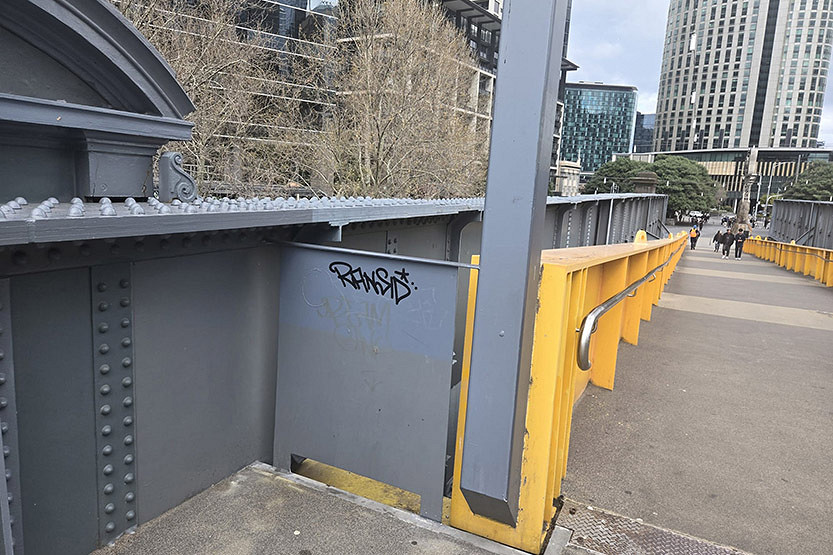
Graffiti delays expose gaps between council and state agencies
The City of Melbourne has acknowledged that graffiti on key city assets can remain in place for months while it continues trying to negotiate faster and more consistent removal arrangements with state authorities.
Read More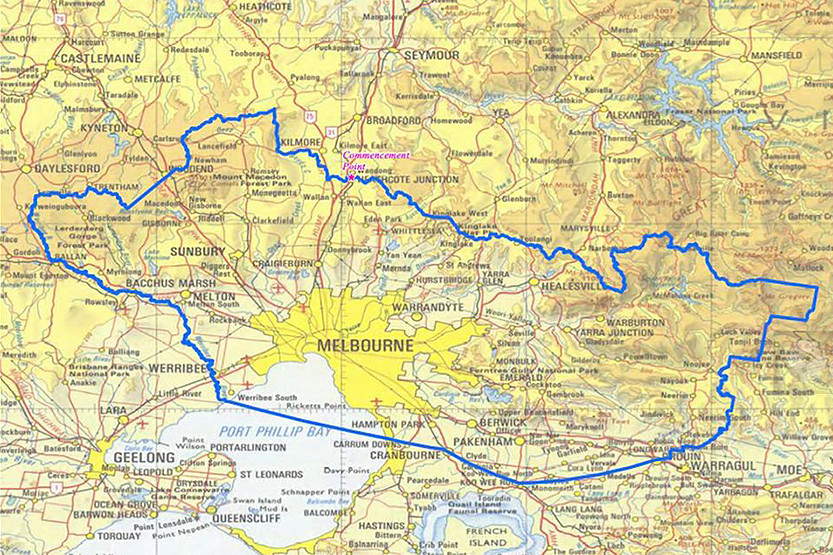
City of Melbourne seeks seat at table on native title claim
The City of Melbourne has voted to join proceedings in the Federal Court relating to a native title claim over metropolitan Melbourne and surrounding areas.
Read More
Sale of Hanover House signals likely end for Beulah’s STH BNK vision

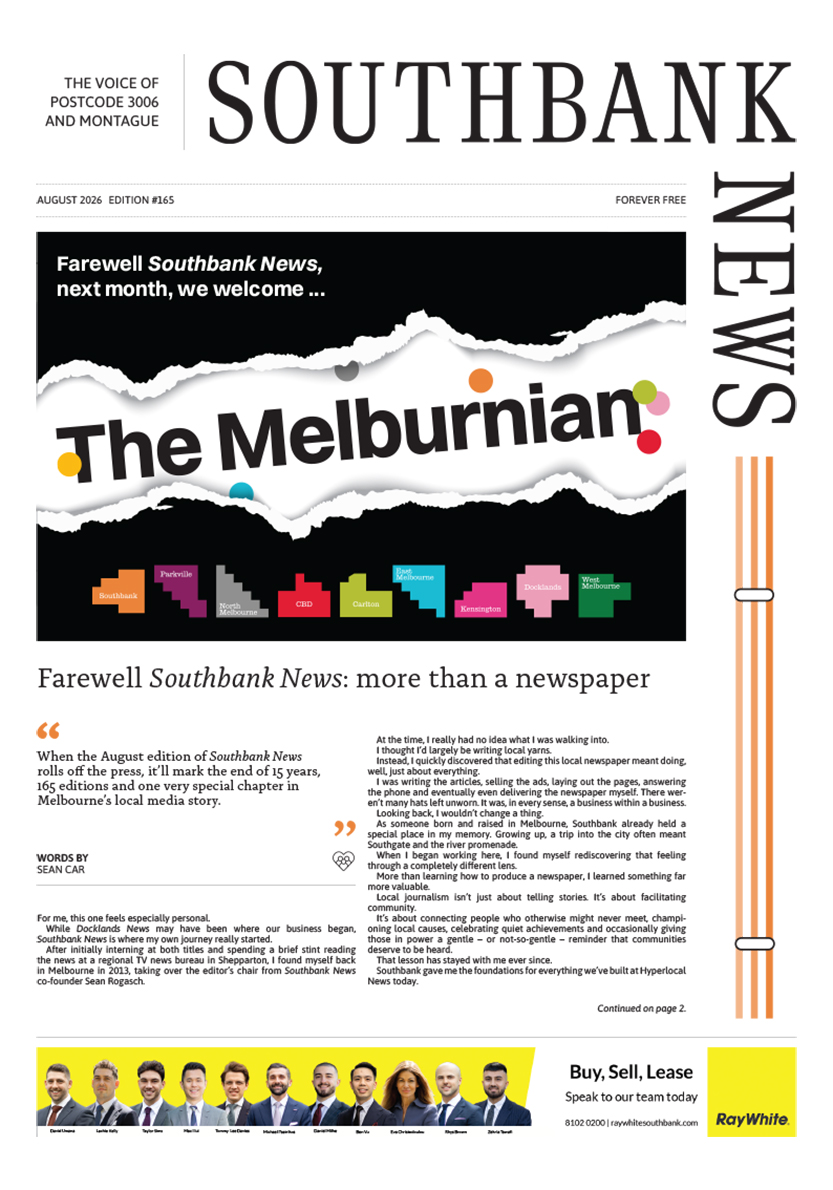
Farewell Southbank News: more than a newspaper
 Download the Latest Edition